What causes bad breath, and can a dentist actually help? In most cases yes. Around nine in ten cases of persistent bad breath start in the mouth, usually from bacteria on the teeth, gums and tongue, and these are very treatable. Occasional morning breath is normal and temporary, but breath that lingers all day can be a sign of something worth checking. A good first step is a professional clean, so booking dental hygiene as a dentist in Edgbaston patient often solves the problem at the source.
Bad breath, known medically as halitosis, is extremely common and rarely serious. Understanding the cause is the key to fixing it for good rather than masking it with mints.
Highfield Dental Clinic is a friendly private practice in Edgbaston, Birmingham that welcomes new private patients and provides a complete range of dental services, from routine cleaning to treatment for gum disease, which is a frequent hidden cause of odour.
As a caring dental clinic in Birmingham, Highfield Dental Clinic helps you get to the bottom of persistent breath problems with a proper assessment. If you would like advice you can contact the practice directly or call 0121 455 6974 to arrange a visit.
What Causes Bad Breath?
Most bad breath comes from the mouth itself. The usual culprits include the following.
- Bacteria on the tongue and between teeth releasing odour causing compounds
- Plaque and tartar build up along the gumline
- Gum disease, which creates pockets where bacteria thrive
- Tooth decay or an infected tooth
- A dry mouth, which reduces the saliva that naturally cleans the mouth
Food, smoking and some drinks add to the problem, but they are usually short lived compared with a hidden dental cause.
Less Common Causes
Occasionally bad breath links to issues beyond the mouth, such as sinus infections, acid reflux or certain medical conditions. If your dentist rules out a dental cause, they may suggest speaking to your doctor.
Temporary vs Persistent Bad Breath
| Type | Typical Cause | What Helps |
|---|---|---|
| Temporary | Food, morning breath, dehydration | Brushing, water, time |
| Persistent | Gum disease, decay, dry mouth | Professional assessment and treatment |
If mints and mouthwash only work for a short while, the cause is likely persistent and needs a dental check rather than a stronger mint.
How a Dentist Can Help
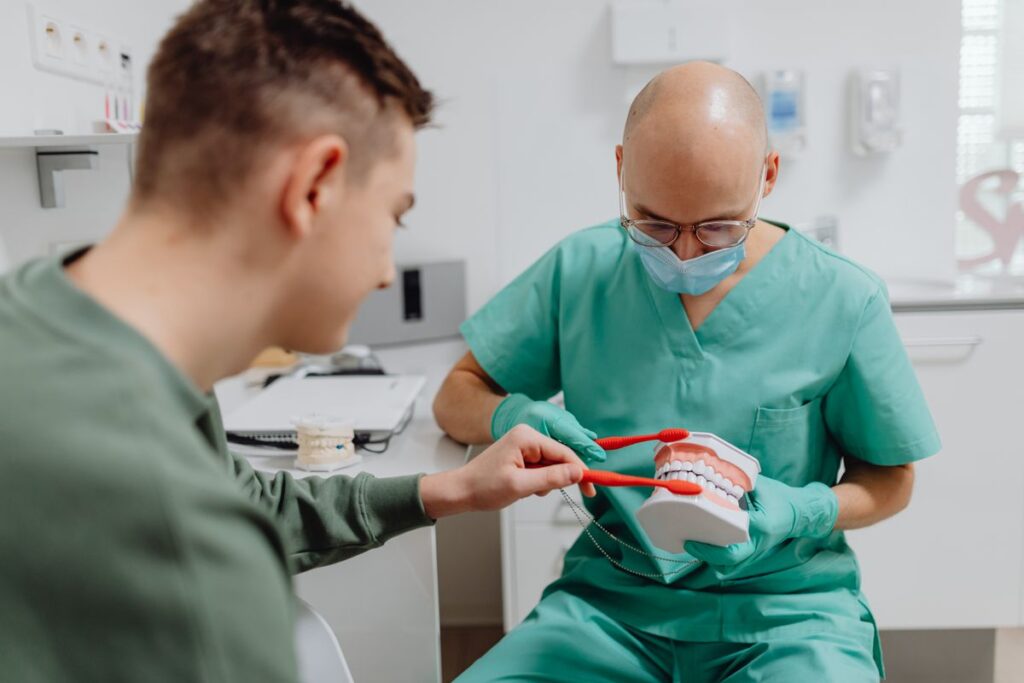
A dentist tackles the source rather than the symptom. Treatment may include the following steps.
- Assessment. Examining teeth, gums and tongue to find the cause.
- Professional cleaning. Removing plaque and tartar that harbour bacteria.
- Gum treatment. Managing any gum disease that is driving the odour.
- Repairing problems. Treating decay or infected teeth.
- Advice. Tailored guidance on cleaning, diet and dry mouth.
For many patients, a thorough hygiene appointment makes a noticeable difference straight away.
Simple Ways to Prevent Bad Breath at Home
- Brush twice a day and clean between teeth daily
- Gently clean your tongue where bacteria collect
- Stay hydrated to support saliva flow
- Limit sugary and strongly flavoured foods
- Attend regular check ups and hygiene visits
These habits address the everyday causes and keep your mouth fresher between appointments.
Common Myths About Bad Breath
Myth: mouthwash cures bad breath. It can mask odour briefly but does not treat the cause. Myth: you can always smell your own breath. People often cannot, which is why a check is useful. Myth: bad breath is only about hygiene. Gum disease and dry mouth play a big role. Myth: chewing gum solves it. Sugar free gum helps saliva flow but is not a substitute for treatment.
Because gum disease is a leading cause, care should be provided by a professional registered with the General Dental Council, which protects standards across UK dentistry.
When to See a Dentist
Book a visit if bad breath lasts more than a couple of weeks, comes with bleeding gums, a bad taste or tooth pain, or does not improve with good home care. These signs suggest a treatable cause that is best addressed early.
Highfield Dental Clinic offers dental check ups and hygiene, orthodontics including Invisalign, extractions and oral surgery, root canal therapy, dental implants, teeth whitening, cosmetic dentistry, mouth cancer screening and children’s dental care. It follows a family friendly, patient centred approach and serves Edgbaston, Birmingham and surrounding areas, welcoming new private patients and offering emergency dental care for urgent needs. You can reach the team on 0121 455 6974, by email at [email protected] or at 2 Highfield Road, Edgbaston, Birmingham, B15 3ED.
Frequently Asked Questions
Why do I still have bad breath after brushing?
Brushing alone may miss bacteria between teeth, along the gumline and on the tongue. A professional clean often reaches what a toothbrush cannot.
Is bad breath a sign of gum disease?
It can be. Persistent bad breath with bleeding or sore gums is a common early sign that should be checked.
Can dry mouth cause bad breath?
Yes. Saliva cleans the mouth naturally, so reduced flow allows odour causing bacteria to build up.
Does what I eat affect my breath long term?
Strong foods cause short term odour, but ongoing bad breath usually points to a dental cause rather than diet alone.
How quickly can a dentist help?
Many patients notice a clear improvement after a single hygiene appointment, especially once plaque and tartar are removed.
Conclusion
Bad breath is common, usually harmless and almost always treatable once the true cause is found.
A dentist can identify whether the source is plaque, gum disease or dry mouth and treat it properly.
Highfield Dental Clinic in Edgbaston is ready to help you enjoy fresher breath and healthier gums with confidence.
