
See your treatment result before it begins at Highfield Dental Clinic, Edgbaston.
Planning cosmetic and restorative work properly avoids disappointment later. A wax-up lets you see and discuss the result before any tooth is touched.
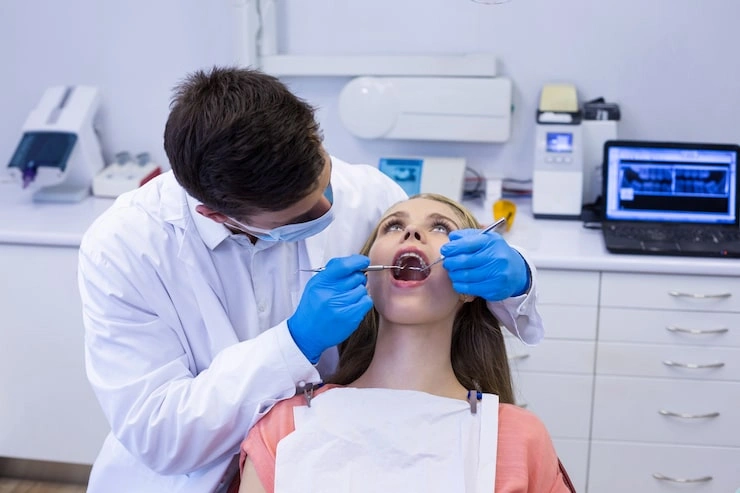
A diagnostic wax-up is a model of your proposed result, created by adding wax to a replica of your teeth, or designed digitally. It shows the intended shape, length, width and alignment of the teeth being treated.
It is used before veneers, crowns, bridges, composite bonding and larger restorative cases. From the wax-up, your dentist can make a temporary trial smile directly in your mouth, so you can see the proposed result on your own face before committing.
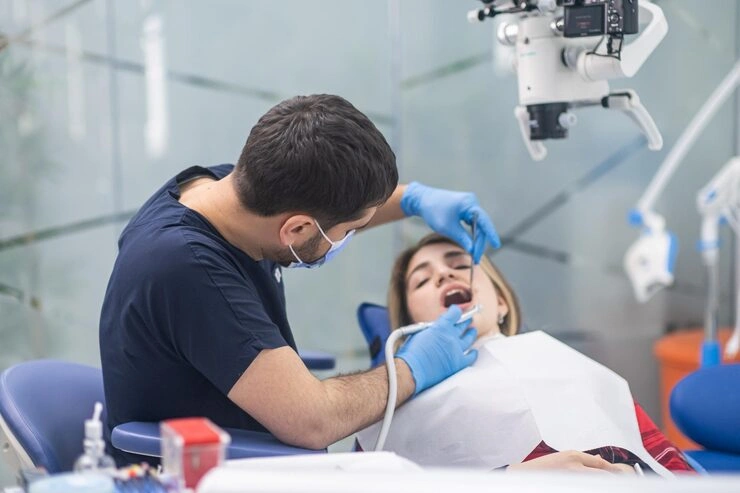
Planning veneers, crowns or a smile makeover in Birmingham? Our experienced team will show you the result before you commit.
The wax-up sits between your consultation and the start of treatment. It usually involves:
You are encouraged to take your time at the trial stage, look at it in different light and ask for adjustments.
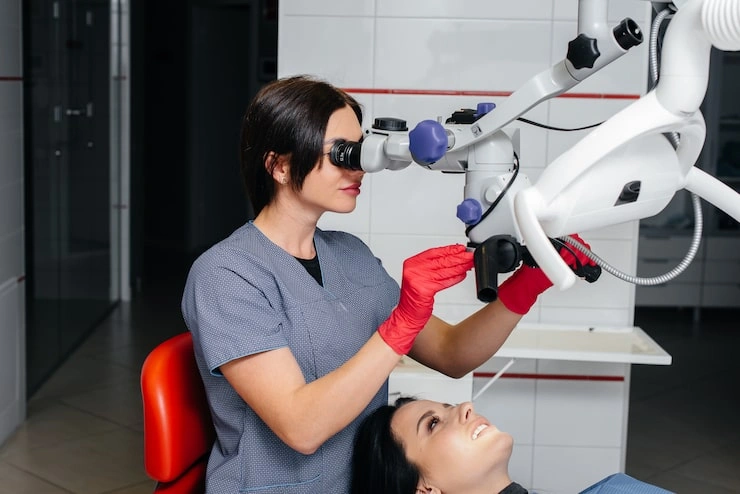
A wax-up turns a conversation into something you can see and react to. It is far easier to say a tooth looks too long while it is still wax than after porcelain has been made.
It also guides the treatment itself. Your dentist uses it to prepare the teeth conservatively, removing only what is needed for the planned result, and to make accurate temporary restorations. Function is considered alongside appearance, so the way your teeth meet is planned rather than left to chance.
Not for every case. It is most valuable where several teeth are being changed, or where shape and length are being altered significantly.
Yes. A trial smile can be made from the wax-up and placed temporarily over your teeth so you can see the proposed result on your own face.
Absolutely. That is the purpose of the stage. Adjustments are straightforward at this point and far harder once the final work has been made.
There is usually a fee for the wax-up as it involves laboratory or design work. This will be set out clearly in your written treatment plan.
Both approaches are used. Digital design allows quick alterations, while hand waxing offers fine artistic control. Your dentist will use whichever suits your case.
It is a close guide rather than an exact copy, as the final materials and your own tooth colour affect the outcome. It gives a realistic preview of shape and proportion.
