
Custom-made facings that transform the shape, shade and alignment of front teeth at Highfield Dental Clinic, Edgbaston.
Veneers are an irreversible commitment, so planning matters more than anything. Our team plans each case carefully and shows you the result before any tooth is prepared.
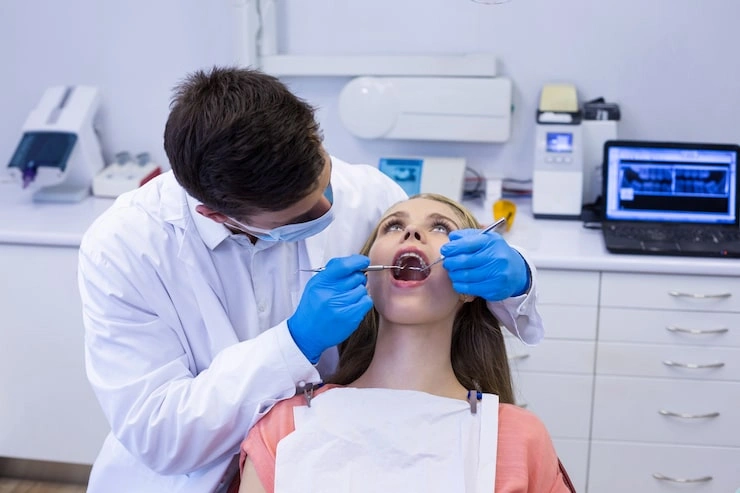
A porcelain veneer is a thin, custom-made ceramic facing bonded to the front surface of a tooth. Veneers can change the colour, shape, length and apparent alignment of teeth, and are usually placed across several front teeth so the result looks even.
Porcelain resists staining better than composite and reflects light in a way that closely resembles natural enamel. Because a small amount of enamel usually has to be removed to make room, veneers are an irreversible treatment, and your teeth will always need some form of covering afterwards.
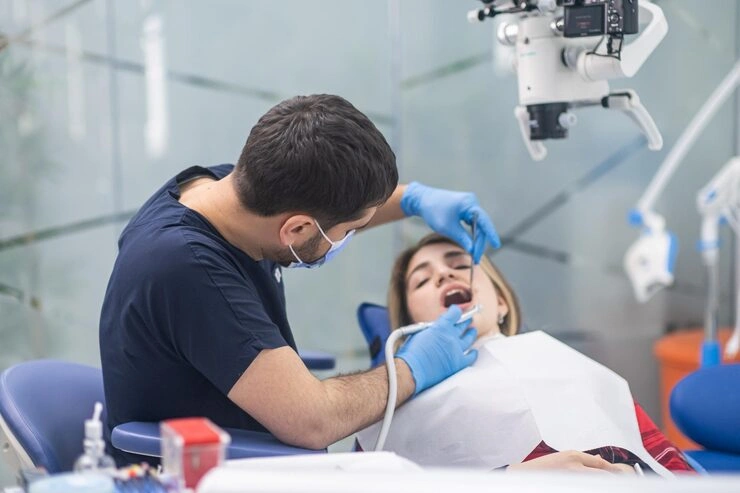
Considering veneers to improve your smile in Birmingham? Our experienced team will talk you through the realities, alternatives and costs.
Veneers are planned over several appointments so nothing is rushed. Treatment usually involves:
Temporary veneers let you test the shape and length before the final ones are made, and your feedback at this stage shapes the finished result.
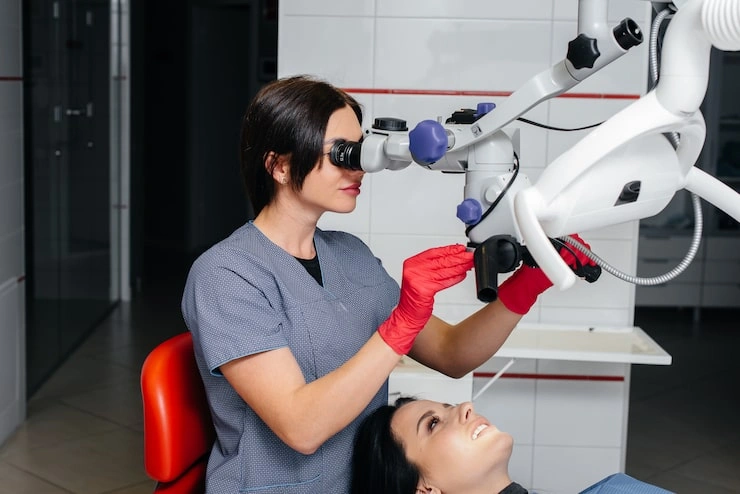
Veneers can produce beautiful results, but they are not right for everyone. Where teeth are healthy and only mildly imperfect, composite bonding or orthodontics may achieve what you want with less intervention, and we will always raise these alternatives.
Once enamel is removed it cannot be replaced, so the teeth will need veneers or crowns for life. Veneers can chip or debond, and will eventually need replacing. Grinding significantly increases these risks, so a night guard is often recommended. Gum health must be stable before treatment, and whitening should be completed first as porcelain does not lighten.

Many veneers last ten years or more with good care, though this varies and cannot be guaranteed. They will eventually need replacing.
Usually a small amount of enamel is removed to make space so the veneer does not look bulky. Minimal-preparation options exist in selected cases, and your dentist will advise what suits your teeth.
Porcelain closely mimics natural enamel, and the wax-up and temporary stages let you refine the shape and length before the final veneers are made.
They can improve the appearance of mild misalignment, but they do not move teeth. For more significant crowding, orthodontics first usually gives a healthier, more conservative result.
Small chips can sometimes be polished or repaired, but a damaged veneer often needs replacing. Wearing a night guard if you grind reduces the risk.
No. Porcelain does not respond to whitening, so any whitening should be completed before your veneers are made and shade-matched.
