
Relaxed, comfortable treatment for anxious patients at Highfield Dental Clinic, Edgbaston.
Dental anxiety stops many people getting the care they need. Sedation makes treatment possible for patients who would otherwise avoid it.

Intravenous sedation, often called conscious sedation, involves administering a sedative medicine through a small cannula, usually in the back of the hand or arm. It produces a deeply relaxed state while you remain conscious and able to respond.
It is not a general anaesthetic, and you are not unconscious. Most patients feel calm and detached from the procedure, and many remember very little of it afterwards. Local anaesthetic is still used to numb the treatment area, as sedation relaxes you rather than removing sensation.
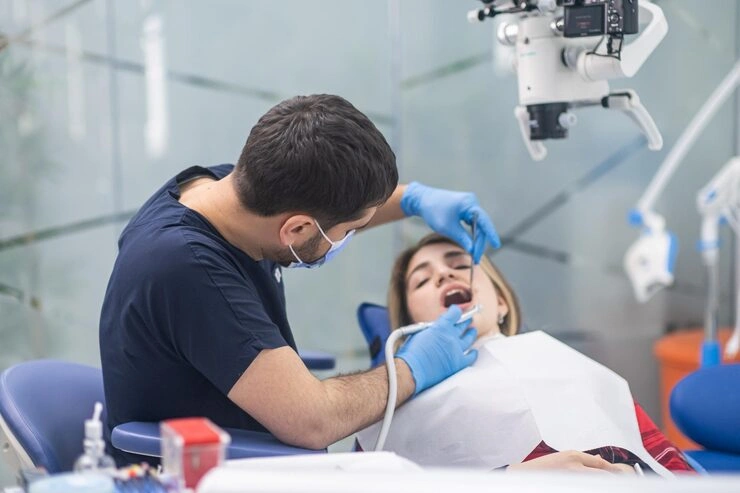
Anxious about dental treatment in Birmingham? Our experienced team will discuss whether sedation could make your treatment manageable.
Sedation appointments follow a careful process. They usually involve:
You will be monitored throughout, and your escort must collect you and stay with you afterwards.
You will be given written instructions to follow beforehand, including guidance on eating, drinking and medicines. A responsible adult must accompany you home and stay with you for the rest of the day and overnight.
For 24 hours afterwards you must not drive, operate machinery, drink alcohol, sign legal documents or care for young children alone. Sedation is not suitable for everyone, and certain medical conditions, medicines, pregnancy and some airway problems may make it inappropriate. Your clinician will assess this and discuss alternatives such as anxiety management techniques or referral for treatment under general anaesthetic where needed.

No. IV sedation is not a general anaesthetic. You remain conscious and able to respond, but deeply relaxed, and many patients remember little afterwards.
Yes. Sedation relaxes you but does not numb the area, so local anaesthetic is still used for the treatment itself.
No. You must be collected by a responsible adult who stays with you for the rest of the day and overnight, and you must not drive for 24 hours.
When provided by a trained team with appropriate monitoring and after proper assessment, sedation has a good safety record. Your medical history is reviewed carefully first.
Certain medical conditions, some medicines, pregnancy and particular airway problems can make sedation inappropriate. Your clinician will assess this individually.
Options include gradual acclimatisation, anxiety management techniques, longer appointments at your pace, or referral for treatment under general anaesthetic.
