Explore Highfield

Glass Ionomer Fillings in Birmingham

A versatile filling option offering fluoride release and reliable protection, at Highfield Dental Clinic, Edgbaston

WHY CHOOSE HIGHFIELD DENTAL CLINIC FOR GLASS IONOMER FILLINGS?

The right filling material depends on your tooth and your needs. Our team takes the time to recommend what genuinely suits your situation.

  • A well-established, reliable filling material
  • Releases fluoride to help protect the tooth
  • Useful for specific clinical situations, including certain paediatric and root-surface cases
  • Applied by an experienced dental team
  • Treatment tailored to what suits your tooth and situation

WHAT IS A GLASS IONOMER FILLING?

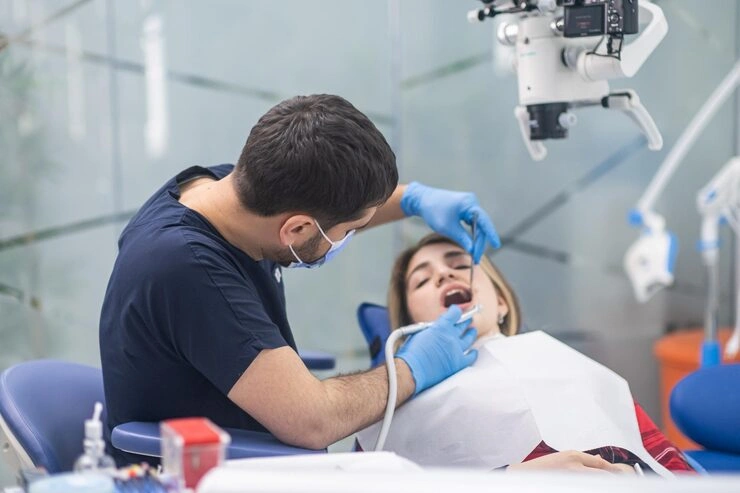
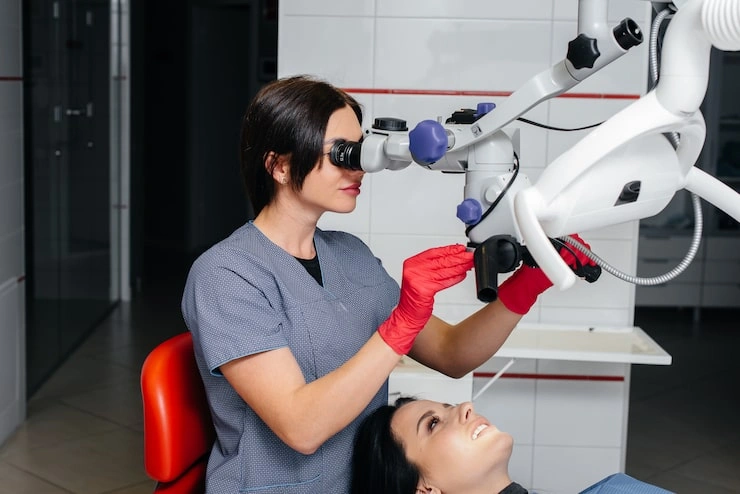
A glass ionomer filling is made from a mixture of glass and acrylic materials. It bonds to the tooth and gradually releases fluoride, which can help protect against further decay. Your dentist will advise if this is the most suitable filling material for your particular tooth and circumstances.

At Highfield Dental Clinic, we choose filling materials based on what will give you the best long-term outcome, not a one-size-fits-all approach.

BOOK YOUR APPOINTMENT TODAY

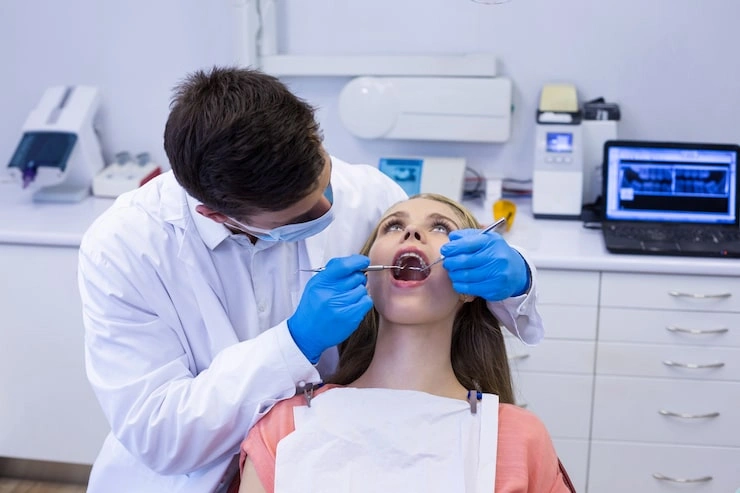
If you need a filling, our Edgbaston team will assess your tooth and recommend the most suitable material for your needs.

THE GLASS IONOMER FILLING PROCESS

Treatment is straightforward and carefully carried out, including:

  • Assessment of the affected tooth
  • Removal of decayed material
  • Placement of the glass ionomer filling
  • Shaping and finishing for a comfortable bite

This ensures a secure, protective restoration.

RELIABLE RESTORATIVE CARE

Glass ionomer fillings remain a valuable option in certain situations, particularly where fluoride release offers extra long-term protection. Our team will always explain why a particular material has been recommended for your treatment.

We’re happy to talk through the alternatives available if you’d like to understand your options fully.

Frequently Asked Questions

Glass ionomer releases fluoride and is often used in specific situations, while composite is typically chosen for its closer colour match and strength in higher-pressure areas. Your dentist will advise which is right for you.

It can be, depending on the clinical situation. Your dentist will assess what’s most suitable.

Glass ionomer fillings are tooth-coloured, though the match may be less precise than composite in some cases.

Most filling appointments are completed within a single visit.