
Surgical treatment for deep pockets when cleaning alone is not enough, at Highfield Dental Clinic, Edgbaston.
Surgery is only considered when non-surgical treatment has been given a proper chance. Our team is honest about when it is warranted and when it is not.
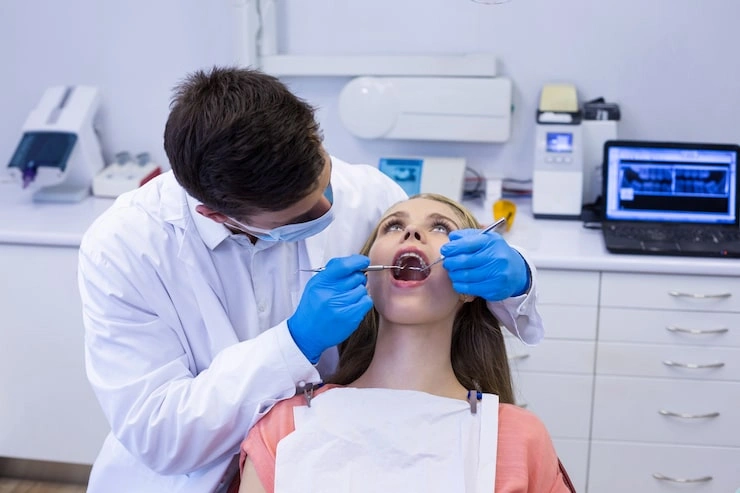
Periodontal surgery treats areas where deep pockets remain after non-surgical treatment. The gum is gently lifted so the root surfaces and any bone defects can be cleaned and reshaped directly, then the gum is repositioned and secured.
Some procedures aim to reduce pocket depth so the area becomes cleanable at home. Others, known as regenerative procedures, aim to encourage the body to rebuild lost tissue in suitable defects using membranes or graft materials.
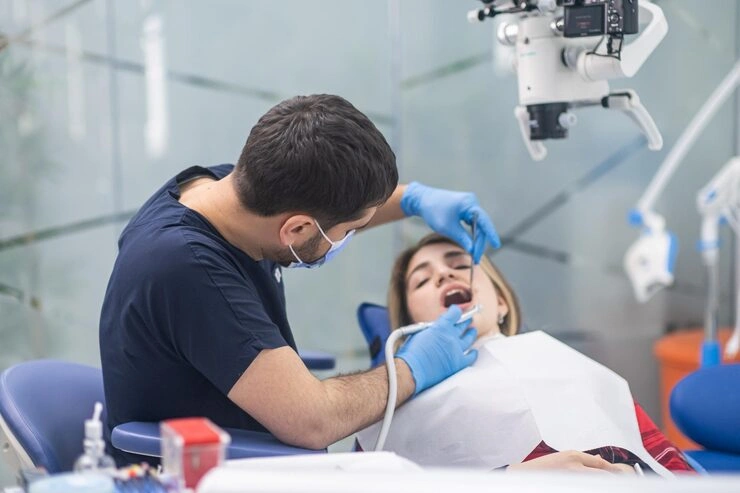
Deep pockets that have not responded to treatment in Birmingham? Our experienced team will assess whether surgery could help.
Surgery is carried out under local anaesthetic, usually treating one area at a time. It typically involves:
Stitches are usually removed or dissolve within a couple of weeks, and we will see you for review appointments during healing.
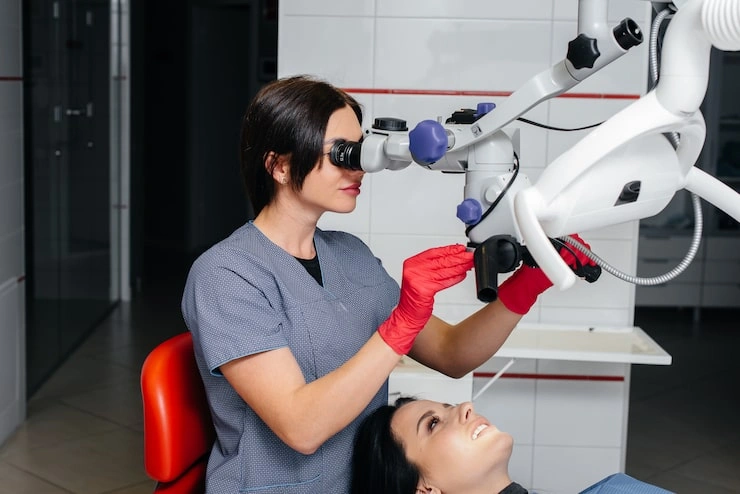
Surgery can reduce pocket depths and make areas cleanable, but it does not cure periodontitis. The disease remains controllable rather than curable, and relapse is likely without excellent daily cleaning and regular maintenance appointments.
Smoking and poorly controlled diabetes both substantially reduce the chances of success, and we will discuss these openly if they apply to you. Your clinician will explain the realistic benefits, the risks including recession and sensitivity, and the alternatives, which may include continued non-surgical maintenance or extraction of teeth with a poor outlook.

Usually when deep pockets persist after thorough non-surgical treatment and good home care, and where the area cannot be kept clean. It is not a first-line treatment.
The area is numbed with local anaesthetic, so you should not feel pain during surgery. Soreness and swelling for several days afterwards are normal and manageable with recommended pain relief.
Some recession is common after periodontal surgery, as pocket depth reduces. This can cause sensitivity and expose more root, and your clinician will explain what to expect for your teeth.
In certain defect shapes, regenerative techniques can encourage some rebuilding of tissue. This is not possible in every case, and your clinician will tell you honestly whether your defects are suitable.
Most people return to normal activities quickly, with the surgical area feeling much more comfortable within one to two weeks. Full healing takes several months.
Yes. Regular periodontal maintenance is essential to keep the result stable, typically every three to four months depending on your risk.
