
Rebuilding jaw bone so implants can be placed successfully at Highfield Dental Clinic, Edgbaston.
Where bone has been lost, grafting can make implant treatment possible. Our team plans this carefully with three-dimensional imaging.
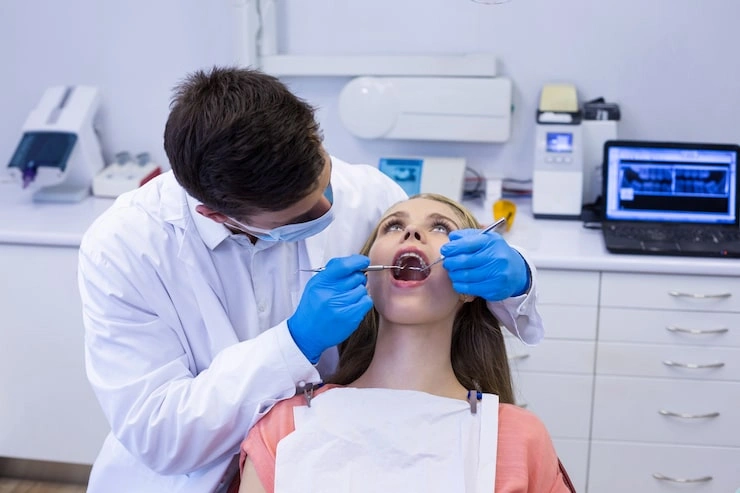
Bone augmentation, or bone grafting, rebuilds jaw bone that has been lost. Bone shrinks after teeth are removed, and gum disease, infection and long-term denture wear all accelerate this, sometimes leaving too little bone to hold an implant securely.
Graft material is placed where bone is needed and covered with a membrane to protect it while the body replaces it with its own bone. Materials may be synthetic, of animal or human donor origin, or taken from elsewhere in your own mouth, and your clinician will explain which is proposed and why.
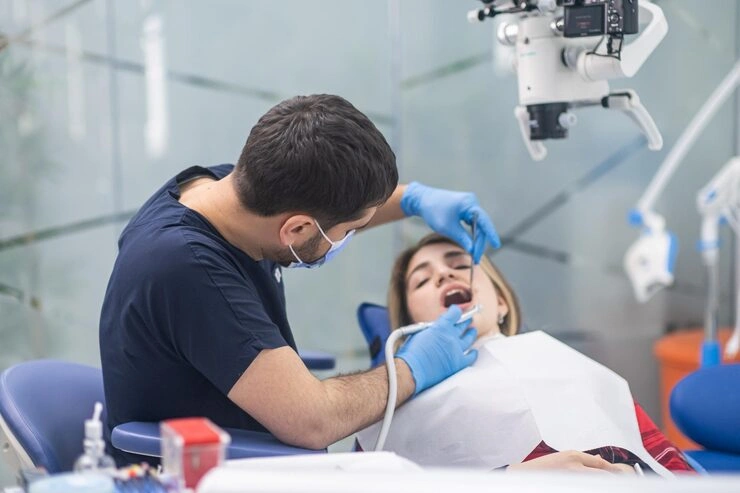
Told you do not have enough bone for implants in Birmingham? Our experienced team will assess whether grafting could change that.
Grafting is carried out under local anaesthetic. It typically involves:
Smaller grafts are often done at the same time as implant placement. Larger grafts are usually carried out first, with several months of healing before the implant.
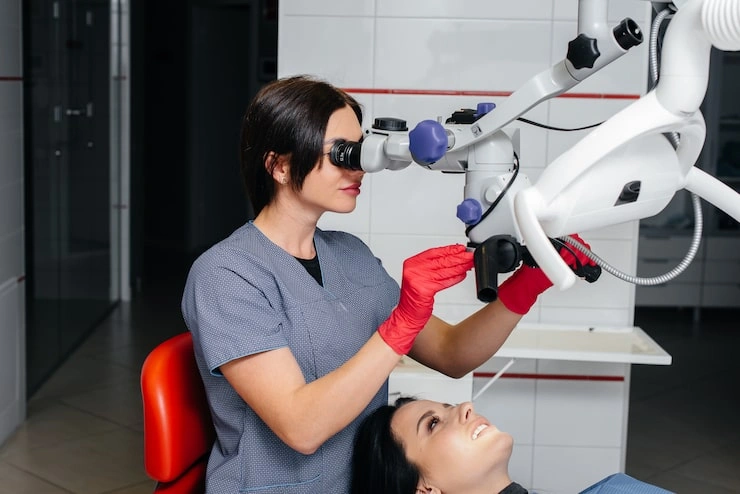
Expect swelling and bruising for several days, which is often more noticeable than after implant placement alone. Follow the aftercare instructions closely, avoid disturbing the area, and do not smoke, as smoking substantially increases the risk of graft failure.
Grafts take months to mature into your own bone. Not every graft succeeds, and results vary with the size of the defect, the site and your healing capacity. Your clinician will give you an honest view of what is achievable and will discuss alternatives, which may include shorter implants, a different implant position, or a bridge or denture instead.

Options include synthetic materials, processed animal or human donor material, and bone taken from elsewhere in your own mouth. Your clinician will explain what is proposed.
Small grafts placed alongside an implant need no extra wait. Larger grafts usually need several months of healing before the implant is placed.
The procedure is carried out under local anaesthetic. Swelling and soreness for several days afterwards are normal and manageable with recommended pain relief.
Most grafts heal well, but success cannot be guaranteed. Smoking, infection and large defects all reduce the chances.
Sometimes shorter or narrower implants, a different implant position, or a bridge or denture can avoid the need for grafting. We will discuss these options.
Grafting restores bone within the jaw ridge. It is not a facial cosmetic procedure, though restoring lost bone and teeth can improve lip support in some cases.
