Wondering whether your tooth needs to come out? Most teeth can be saved with modern dentistry, and extraction is usually a last resort. It becomes necessary when a tooth is too damaged, decayed or infected to repair, or when it is crowding others. Some situations are urgent while many are planned in advance after careful assessment. If severe pain, swelling or a broken tooth has you searching as an emergency dentist in Birmingham patient, do not delay and arrange emergency dental care straight away.
A tooth extraction is the removal of a tooth from its socket. It sounds daunting, but with local anaesthetic the procedure is far more comfortable than most people imagine, and recovery is usually quick when aftercare is followed.
Highfield Dental Clinic is a trusted private practice in Edgbaston that welcomes new private patients and provides a full extractions and oral surgery service. Every case starts with an honest assessment of whether the tooth can be saved first.
As an experienced dental clinic in Birmingham, Highfield Dental Clinic also plans ahead for what comes next, including dental implants to replace a missing tooth. When you need advice you can request an appointment or call 0121 455 6974 for guidance.
When Is a Tooth Extraction Necessary?
Dentists always try to preserve natural teeth, but sometimes removal is the healthiest choice. Common reasons include the following.
- Severe decay that has destroyed too much of the tooth to restore
- Advanced gum disease that has loosened the tooth
- A tooth broken below the gumline
- Impacted wisdom teeth causing pain or infection
- Crowding, sometimes before orthodontic treatment
- Infection that cannot be resolved with root canal therapy
Only a clinical exam with x-rays can confirm the right course of action, because two teeth with similar symptoms can need very different treatment.
Signs You Should Get a Tooth Checked
You do not need to diagnose yourself, but certain warning signs mean you should see a dentist promptly.
- Constant or throbbing tooth pain
- Pain when biting or chewing
- Swelling in the gum, jaw or face
- A loose adult tooth
- A bad taste or discharge near a tooth
Catching problems early often means the tooth can be saved, so waiting rarely helps.
Types of Tooth Extraction
Simple Extraction
Used for a tooth that is visible in the mouth. The area is numbed, the tooth is gently loosened and lifted out. Most simple extractions are quick and straightforward.
Surgical Extraction
Needed when a tooth is broken at the gumline or has not fully erupted, such as some wisdom teeth. It may involve a small incision and is still carried out with effective anaesthetic.
What Happens During the Procedure
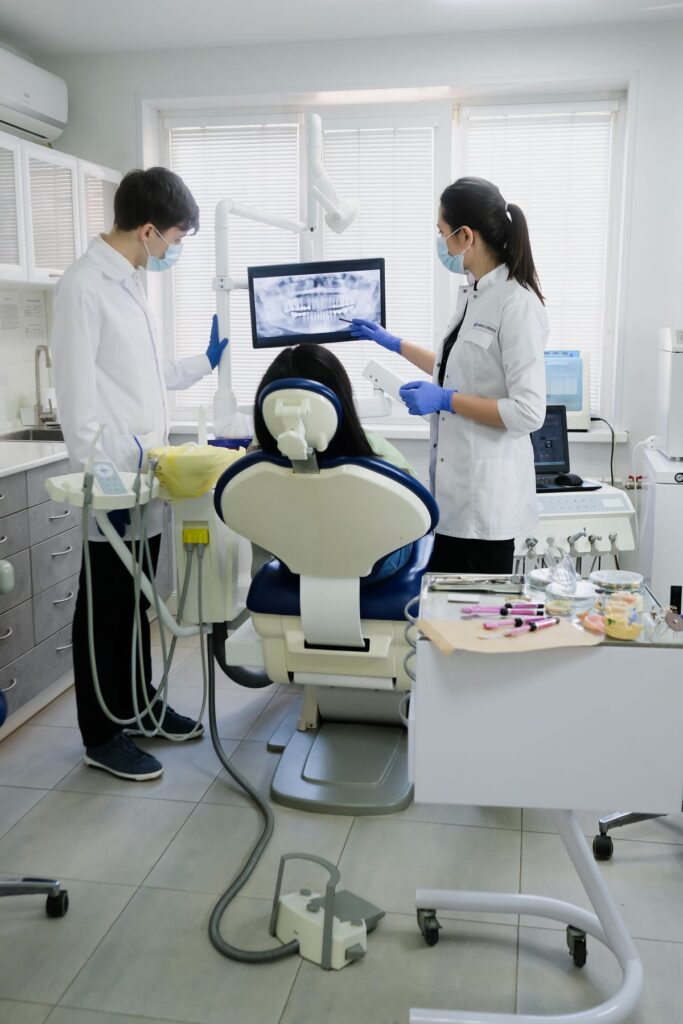
- Assessment. The dentist reviews x-rays and explains the plan.
- Numbing. Local anaesthetic ensures you feel pressure but not pain.
- Removal. The tooth is loosened and eased out of the socket.
- Closing. The site is cleaned and stitches are placed if needed.
- Aftercare. You receive clear instructions for healing.
The active part is often shorter than patients expect, and the team keeps you comfortable throughout.
Recovery and Aftercare
Healing usually takes a few days for the initial soreness to fade, with the socket closing over the following weeks. Good aftercare prevents complications such as a dry socket.
- Bite gently on gauze to control any bleeding
- Avoid rinsing forcefully for the first day
- Skip smoking and alcohol while healing
- Eat soft foods and chew on the other side
- Take pain relief as advised
If you had your extraction at 2 Highfield Road, Edgbaston, Birmingham, B15 3ED, a quick email to [email protected] lets the team check on your progress if anything feels off.
Replacing a Missing Tooth
Leaving a gap can lead to neighbouring teeth shifting and bone loss over time, so replacement is worth planning early. The main options compare as follows.
| Option | Feel | Longevity | Best For |
|---|---|---|---|
| Dental implant | Most like a natural tooth | Very long lasting | Single or multiple gaps |
| Bridge | Fixed and stable | Long lasting | Gap with healthy neighbours |
| Denture | Removable | Good with maintenance | Several missing teeth |
Your dentist will help you weigh comfort, cost and how many teeth are involved before deciding.
Comprehensive Support Under One Roof
Highfield Dental Clinic offers dental check ups and hygiene, orthodontics including Invisalign, extractions and oral surgery, root canal therapy, dental implants, teeth whitening, cosmetic dentistry and smile makeovers, mouth cancer screening, children’s dental care and jaw problem management. Having everything in one place means removal, healing and replacement can be managed by a single caring team.
The practice follows a family friendly, patient centred approach and serves Edgbaston, Birmingham and surrounding areas, welcoming new private patients and those needing urgent help.
Myths About Tooth Extraction
Myth: pulling a tooth is always painful. Modern anaesthetic makes the procedure comfortable. Myth: a missing back tooth does not matter. Every tooth supports your bite and jaw. Myth: recovery takes weeks off work. Most people return to normal routines within a day or two.
Extractions and oral surgery should always be carried out by professionals registered with the General Dental Council, which upholds safety and quality across UK dentistry.
Frequently Asked Questions
Does a tooth extraction hurt?
The area is fully numbed, so you feel pressure but not pain during the procedure. Mild soreness afterwards is normal and manageable.
How long does recovery take?
Initial soreness usually eases within a few days, and the socket continues to heal over the following weeks.
Can I eat after an extraction?
Yes, but stick to soft foods at first and avoid the extraction site until it has begun to heal.
Should I replace an extracted tooth?
Usually yes, especially for visible or chewing teeth, as replacement protects your bite and jaw over time.
When is an extraction an emergency?
Severe pain, spreading swelling or a badly broken tooth should be treated as urgent, so contact a dentist without delay.
Conclusion
Tooth extraction is sometimes the healthiest option, but it is only recommended after every effort to save the tooth.
Prompt assessment gives you the best chance of keeping a natural tooth and a clear plan if removal is needed.
Highfield Dental Clinic in Edgbaston provides gentle extractions, oral surgery and reliable replacement options for lasting comfort.
