
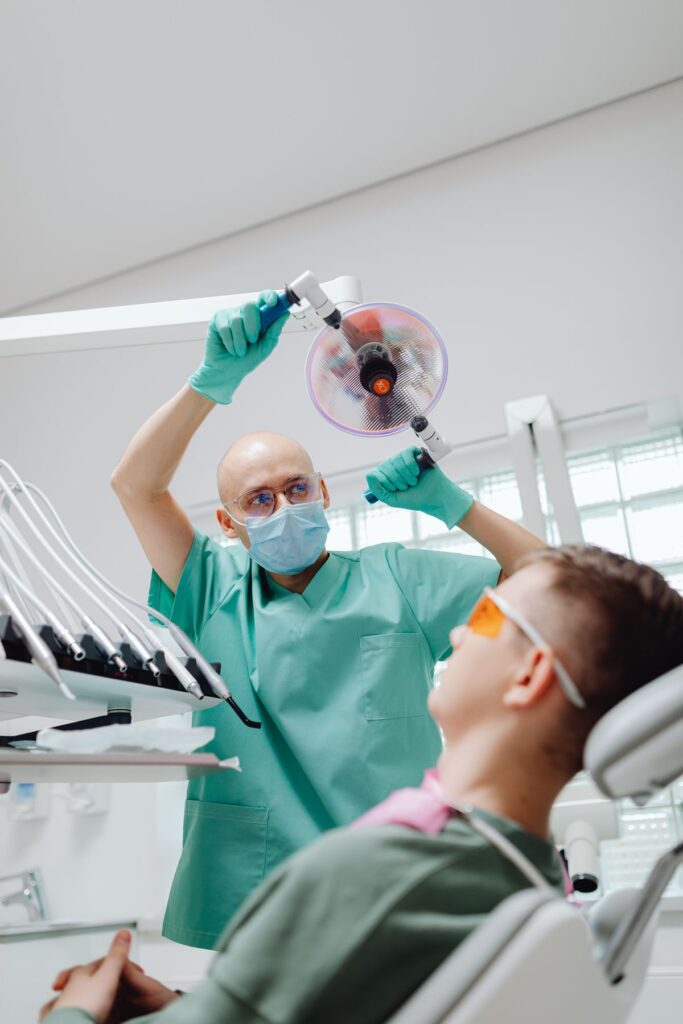
Does a root canal hurt? For most patients the honest answer is no. A modern root canal is carried out under local anaesthetic, so the treatment itself usually feels similar to having a routine filling. Mild soreness for a few days afterwards is common and temporary, while severe or long lasting pain is rare and normally a sign to contact your dentist. If you are weighing up root canal therapy as a private dentist in Edgbaston patient, this guide walks you through exactly what happens and why the procedure has a much gentler reputation than it once did.
Toothache that keeps you awake, sensitivity to hot or cold that lingers after the source is removed, or a swollen face and gum can all point to infection deep inside a tooth. These signs should not be ignored, because the problem rarely settles on its own. When pain is severe or spreading, treat it as urgent and arrange emergency dental care rather than waiting to see if it passes.
Highfield Dental Clinic is a trusted private practice in Edgbaston that welcomes new private patients and offers a full range of dental services under one roof. That means a painful tooth can be examined, treated and reviewed by the same familiar team, from the first x-ray to the final restoration.
As a well established dental clinic in Birmingham, Highfield Dental Clinic pairs careful technique with plain explanations at every stage. When you feel ready, you can request an appointment online or call the practice on 0121 455 6974 to have a symptom checked quickly.
What Is a Root Canal?
A root canal, known clinically as endodontic treatment, is a procedure that removes infected or damaged tissue from inside a tooth. Each tooth contains a soft core called the pulp, which holds nerves and blood vessels. When decay, a crack or an old leaking filling lets bacteria reach the pulp, it becomes inflamed or infected and can cause real pain.
Instead of removing the whole tooth, root canal therapy cleans out the infection, disinfects the space and seals it. The natural tooth stays in place and keeps doing its job.
Signs You May Need Root Canal Treatment
- Persistent toothache, especially when biting or applying pressure
- Sensitivity to hot or cold that lingers after the trigger is gone
- A darkening or discolouration of a single tooth
- Swelling or tenderness in the nearby gum
- A small pimple like bump on the gum that may leak
Only a proper clinical assessment, usually with an x-ray, can confirm whether a root canal is the right treatment. Some of these symptoms overlap with other issues, which is why self diagnosis is unreliable.
Why Root Canals Have a Painful Reputation (and Why It Is Outdated)
The fear around root canals comes from the past, when anaesthetics and instruments were far less advanced. The pain people remember was often the infection before treatment, not the treatment itself. Today, effective local anaesthetic numbs the area completely, and rotary instruments make the process faster and smoother.
In many cases patients say the procedure was easier than expected and that the constant ache they arrived with disappeared afterwards.
Does It Hurt? A Step by Step Look at the Appointment
Understanding the sequence removes a lot of anxiety. Here is what a typical root canal involves.
- Assessment and x-ray. The dentist confirms the diagnosis and checks the shape of the roots.
- Numbing. Local anaesthetic is applied so the tooth and surrounding area feel nothing sharp.
- Protecting the tooth. A thin sheet keeps the area clean and dry.
- Cleaning. The infected pulp is removed and the canals are shaped and disinfected.
- Sealing. The space is filled with a biocompatible material and closed with a temporary or permanent filling.
- Restoration. A crown or permanent filling is often added later to protect the tooth long term.
During each step you should feel pressure and movement but not pain. If you ever do feel discomfort, raising your hand lets the dentist add more anaesthetic.
What to Expect After a Root Canal
Recovery is usually straightforward. Some tenderness for two to three days is normal as the area settles, and simple over the counter pain relief is generally enough. Most people return to work or normal routines the same day or the next.
Simple Aftercare Tips
- Avoid chewing hard foods on the treated tooth until it is fully restored
- Keep brushing and flossing gently as usual
- Take pain relief as directed if you feel sore
- Contact the practice if swelling or strong pain returns
If you have booked in at 2 Highfield Road, Edgbaston, Birmingham, B15 3ED and notice anything unusual during healing, a quick call or an email to [email protected] means the team can advise or see you promptly.
Root Canal vs Extraction: Which Is Better?
When a tooth is badly infected, the two main options are saving it with a root canal or removing it. Both have their place, but keeping a natural tooth is usually the preferred outcome.
| Consideration | Root Canal | Extraction |
|---|---|---|
| Keeps natural tooth | Yes | No |
| Preserves bite and spacing | Yes | Needs a replacement later |
| Typical follow up | Crown or filling | Implant, bridge or denture |
| Long term function | Very good with care | Depends on replacement |
Removing a tooth can seem quicker, but the gap often needs an implant or bridge afterwards, which involves more time and cost overall. Your dentist will explain which route suits your tooth and health.
Are Root Canals Safe?
Root canal treatment is a routine and well documented procedure with a high success rate. A common myth suggests it causes illness elsewhere in the body, but this claim has no credible scientific support and traces back to research discredited long ago. Removing infection from a tooth protects your health rather than harming it.
As with any treatment, results depend on proper diagnosis, a skilled hand and good follow up. Care should always be provided by a qualified dentist registered with the General Dental Council, which sets and monitors professional standards across the UK.
Comprehensive Care Beyond Root Canals
A painful tooth is often the moment people reconnect with a dentist, and it helps to know the full picture. Highfield Dental Clinic offers dental check ups and hygiene, orthodontics including Invisalign, extractions and oral surgery, root canal therapy, dental implants, teeth whitening, cosmetic dentistry and smile makeovers, mouth cancer screening, children’s dental care and jaw problem management. Having these services in one place means treatment can move smoothly from urgent relief to long term care.
The practice takes a family friendly, patient centred approach and serves Edgbaston, Birmingham and the surrounding areas, so the whole household can be looked after in one welcoming setting.
How to Reduce Your Risk of Needing a Root Canal
- Brush twice daily with fluoride toothpaste and clean between teeth
- Attend regular check ups so decay is caught early
- Deal with cracks or lost fillings quickly
- Wear a mouthguard for contact sport
- Limit sugary snacks and drinks between meals
Prevention is always gentler than treatment. Routine visits allow small problems to be handled before they reach the nerve.
Frequently Asked Questions
Is a root canal painful during the procedure?
No. The tooth is fully numbed with local anaesthetic, so you should feel pressure but not pain. Most patients compare it to having a filling.
How long does a root canal take?
Many are completed in a single appointment of around sixty to ninety minutes, though complex teeth with several canals may need a second visit.
How long does a treated tooth last?
With good oral hygiene and a protective crown or filling, a root canal treated tooth can last many years and often a lifetime.
Can I drive home afterwards?
Yes. Local anaesthetic does not affect your ability to drive, so you can usually return to normal activities the same day.
What happens if I delay treatment?
Leaving an infected tooth untreated can lead to worsening pain, spreading infection and eventual tooth loss, so early assessment is always safer.
Conclusion
A root canal is a safe, routine way to save a natural tooth and end the pain of infection, and for most people it is far more comfortable than they expect.
If you are experiencing toothache or sensitivity, early assessment gives the best outcome and the widest choice of options.
Highfield Dental Clinic in Edgbaston is ready to help new and existing patients with gentle, professional care whenever you need it.
