
Why Choose Highfield Dental Clinic for TMJ Care?
Jaw discomfort can have many different causes. Our experienced team carries out a comprehensive assessment to understand your symptoms before recommending the most appropriate treatment for your individual needs.
- Comprehensive jaw assessments.
- Personalised treatment plans.
- Experienced clinical team.
- Advanced diagnostic technology.
- Conservative treatment approach.
- Long-term symptom management.
- Ongoing support and monitoring.
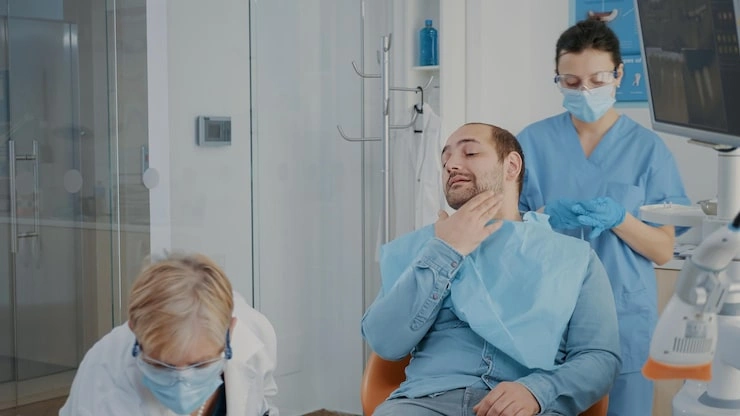
What Is TMJ Disorder?
The temporomandibular joint (TMJ) connects your jaw to your skull and allows you to speak, chew and yawn comfortably. Problems affecting this joint or the surrounding muscles may cause pain, clicking, stiffness, headaches or difficulty opening your mouth.
Our team will identify the underlying cause of your symptoms and discuss suitable treatment options with you.

Find Relief from Jaw Pain
If jaw discomfort is affecting your daily life, our experienced team is here to help with personalised assessment and treatment.
Understanding the Cause of Your Symptoms
Accurate diagnosis is essential when assessing jaw pain and TMJ disorders.
Our assessment may include:
- Comprehensive clinical examination
- Digital X-rays
- OPG panoramic imaging
- Bite assessment
- Digital treatment planning
These tools help us understand your symptoms and recommend the most appropriate care.
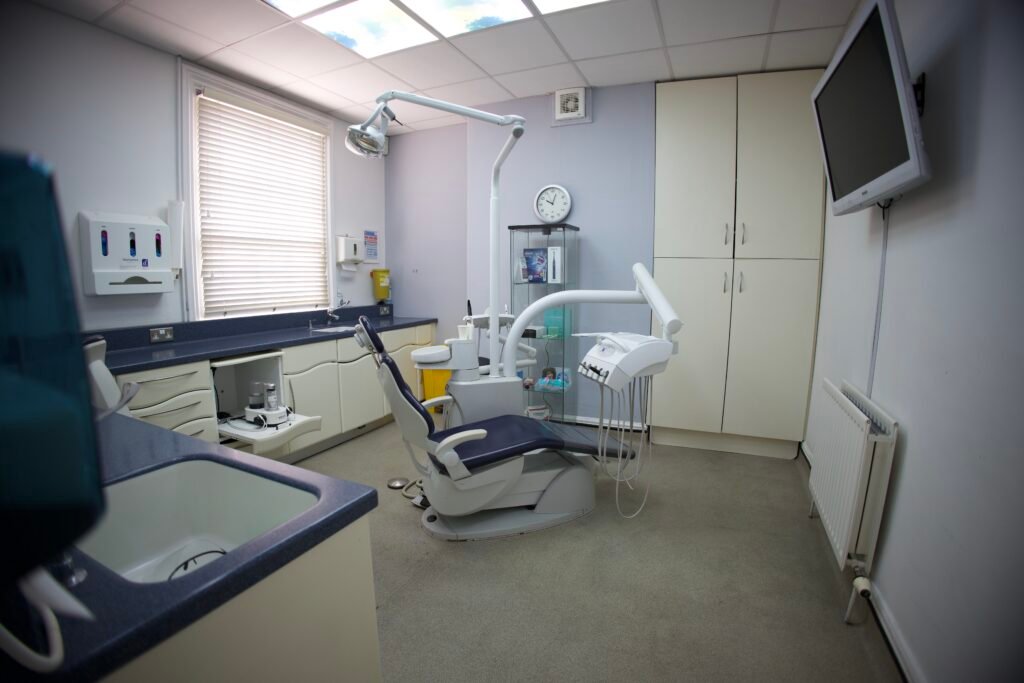
Personalised Care for Lasting Comfort
No two patients experience jaw pain in the same way. We’ll take time to understand your symptoms, explain your diagnosis and create a treatment plan designed to improve comfort, restore function and support your long-term oral health.

Frequently Asked Questions
What causes TMJ problems?
TMJ disorders may be linked to teeth grinding, jaw injury, bite problems or muscle tension.
What are the symptoms?
Common symptoms include jaw pain, clicking, stiffness, headaches and difficulty opening or closing your mouth.
Will I need surgery?
Most TMJ conditions can be managed with conservative treatment. We’ll discuss the most appropriate options following your assessment.
How is TMJ diagnosed?
Diagnosis begins with a comprehensive examination and may include digital imaging where appropriate.
Can treatment help reduce pain?
Many patients experience significant improvement following personalised treatment and ongoing management.
