
Custom oral appliances for snoring and diagnosed mild sleep apnoea at Highfield Dental Clinic, Edgbaston.
Snoring can be a symptom of something that needs medical diagnosis. We assess your teeth and jaw carefully and work alongside your medical team.
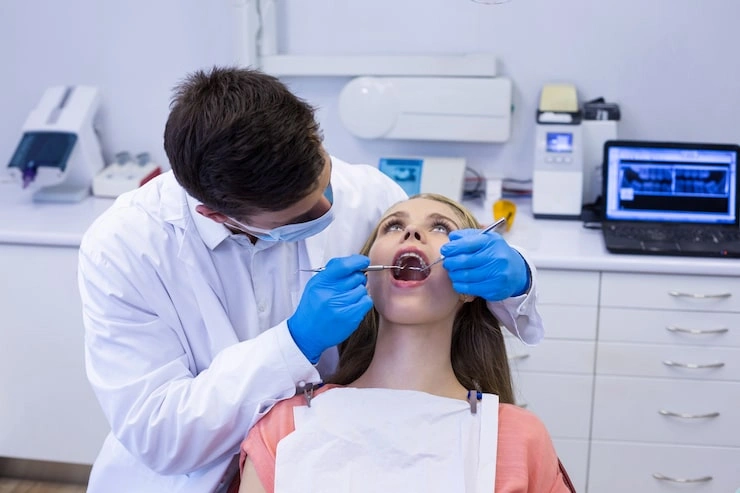
A mandibular advancement device, or MAD, is a custom-made appliance worn during sleep. It holds the lower jaw slightly forward, which helps keep the airway at the back of the throat more open and can reduce snoring and airway obstruction.
Devices are made in two parts connected by adjustable components, allowing the amount of advancement to be increased gradually to a comfortable, effective position. They are used for simple snoring and, where medically appropriate, for mild to moderate obstructive sleep apnoea.
Snoring affecting your sleep or your partner’s in Birmingham? Our experienced team will assess whether an oral device could help.
Treatment begins with assessment and follows a staged process. It usually involves:
Your clinician will explain how to adjust the device and will review your progress and your bite at follow-up appointments.
Obstructive sleep apnoea is a medical condition with significant health implications, and it requires diagnosis by a medical sleep service, usually involving a sleep study. Treating snoring with a device without knowing whether apnoea is present can mask a condition that needs proper management.
If you have loud snoring, pauses in breathing witnessed by others, excessive daytime sleepiness or wake unrefreshed, please speak to your GP first. For confirmed moderate or severe apnoea, CPAP is usually the recommended treatment. Oral devices have a defined role and are often used where CPAP is not tolerated or for milder cases, on medical advice.

If sleep apnoea is suspected, yes. Diagnosis is a medical matter, and we will ask you to see your GP or a sleep service before providing a device.
Custom devices fit far better, are adjustable and are safer for your teeth and jaw joints. Poorly fitting devices can cause bite changes and jaw discomfort.
Long-term use can cause small changes in tooth position or bite for some patients. We monitor this at reviews and will discuss it before you start.
It feels unusual at first, and some jaw stiffness in the morning is common early on. Most patients adapt within a few weeks.
It reduces snoring considerably for many patients, though results vary. Your clinician will give you a realistic expectation.
Devices need healthy teeth to grip. If you have few teeth or extensive dental work, your clinician will assess whether a device is feasible.
