
Careful removal of failed or failing implants, with a plan for what comes next, at Highfield Dental Clinic, Edgbaston.
Removing an implant requires careful technique to preserve as much bone as possible for any future replacement.
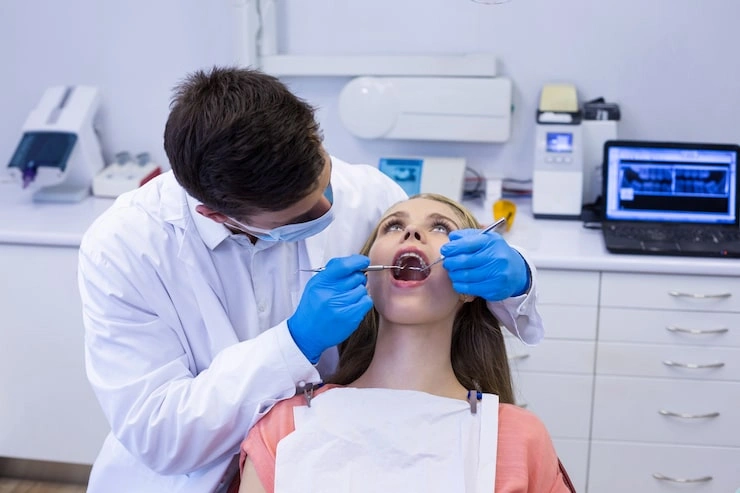
Implant removal is the surgical removal of a dental implant that has failed, is failing, or is causing problems. It may be needed where the implant never integrated with the bone, where peri-implantitis has caused significant bone loss, where it fractured, or where it was placed in a position that cannot be restored properly.
How the implant is removed depends on how firmly it is held. Implants that have lost bone support may come out with minimal intervention, while well-integrated implants require specific instruments to unscrew them with as little bone loss as possible.
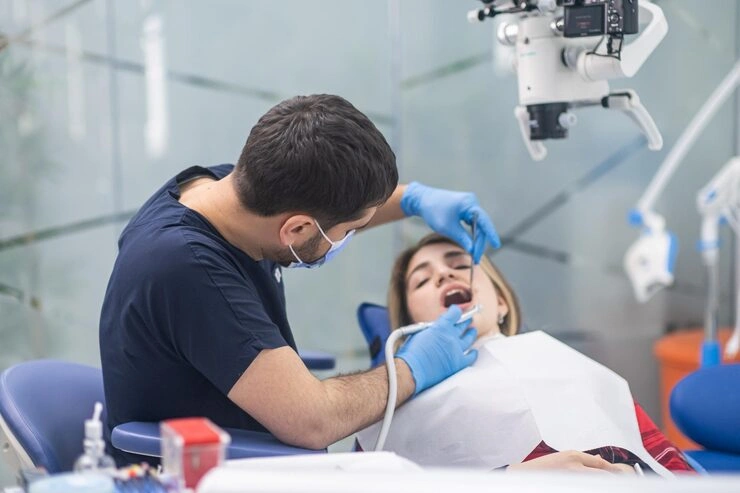
Concerned about a failing or painful implant in Birmingham? Our experienced team will assess it and explain the options.
Removal is carried out under local anaesthetic. It typically involves:
Where replacement is planned, bone grafting at the time of removal can help preserve the site for a future implant.
Healing usually takes several weeks, and grafted sites need longer, often several months, before a new implant can be considered. Your clinician will explain the timeline for your case.
Replacing a failed implant is not always straightforward. The amount of remaining bone determines what is possible, and some sites need grafting first while others may be better served by a bridge or denture. Understanding why the first implant failed matters, as unaddressed causes such as smoking, gum disease or heavy grinding will threaten any replacement too.

Common causes include peri-implantitis, failure to integrate, infection, excessive biting forces, smoking and poor cleaning. Your clinician will identify the likely cause.
The area is numbed with local anaesthetic, so the procedure is comfortable. Soreness afterwards is normal for several days.
Often yes, though the site may need grafting first and several months of healing. The amount of remaining bone determines what is possible.
Usually several weeks for the soft tissue, and several months where bone grafting has been carried out.
A temporary solution such as a denture can usually be provided while the site heals. We will discuss this before the procedure.
Yes. A bridge or denture may be more appropriate depending on the bone available and why the original implant failed.
