
Whitening a single darkened tooth from the inside at Highfield Dental Clinic, Edgbaston.
A single dark tooth stands out. This technique treats the discolouration from within, avoiding the need to prepare the tooth for a crown or veneer.
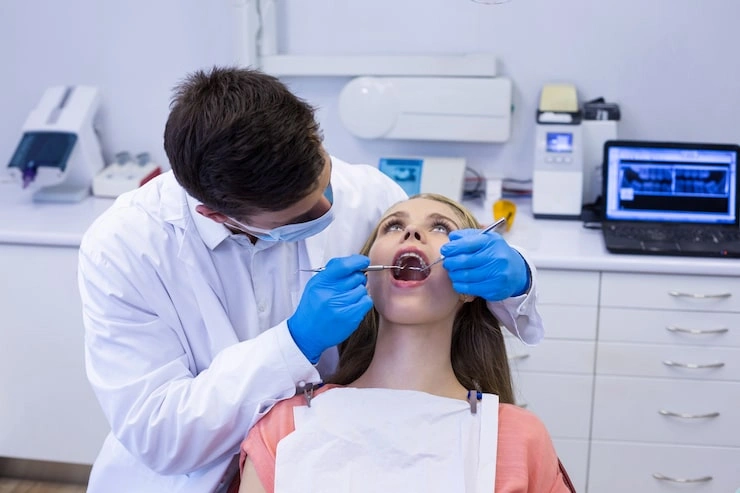
Non-vital bleaching, also called internal or walking bleach, whitens a tooth that has darkened after its nerve has died or after root canal treatment. Unlike ordinary whitening, which works on the outside, the bleaching agent is placed inside the tooth.
A small access opening is made, a whitening material is sealed inside and left to work for several days, then reviewed and refreshed if needed. Once the desired shade is reached, the tooth is permanently sealed with a tooth-coloured filling.
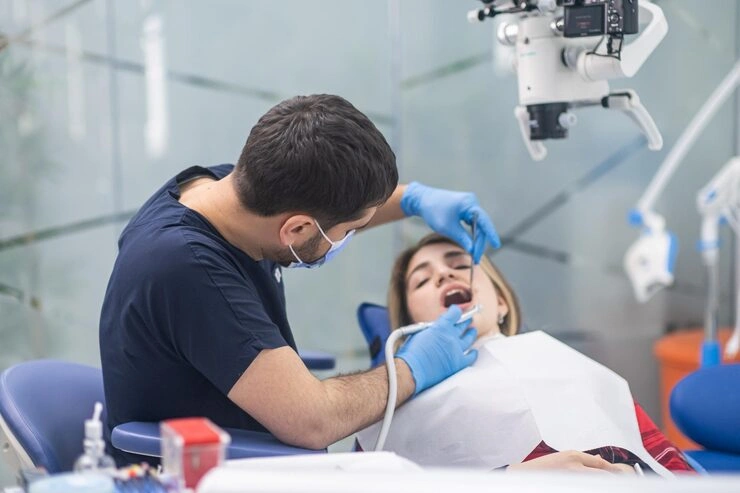
One tooth darker than the rest in Birmingham? Our experienced team will assess it and explain whether internal bleaching could help.
Treatment takes place over several short appointments. It usually involves:
Your dentist will record the shade at each stage so progress can be compared objectively.

Many teeth lighten noticeably, though results vary depending on the cause of the discolouration and how long the tooth has been dark. Some teeth respond quickly, others need several applications, and a small number do not respond well enough.
Some regression of shade over the following years is common, and repeat treatment may be needed. If bleaching does not achieve an acceptable match, alternatives include composite bonding, a veneer or a crown, which involve removing tooth structure. Your dentist will explain the benefits, risks and costs of each before you decide.

Usually because the nerve has died following trauma or decay, or after root canal treatment. Blood pigments and breakdown products stain the tooth from within.
Yes. Internal bleaching is only carried out on teeth that have had successful root canal treatment, and your dentist will check the root filling is sound first.
No. The tooth has no living nerve, so the procedure is not painful. You will feel the instruments but not discomfort in the tooth itself.
Often two to four short visits, as the bleaching material is refreshed and progress assessed. Your dentist will give you an estimate after examining the tooth.
Some regression is common over the years, and a repeat application may be needed. This is far more conservative than preparing the tooth for a crown.
Alternatives include composite bonding, a veneer or a crown. These involve removing tooth structure, which is why bleaching is usually tried first.
