
Professionally supervised whitening carried out at the practice at Highfield Dental Clinic, Edgbaston.
Whitening is a dental treatment, not a beauty service, and UK law requires it to be carried out by a registered dental professional. Our team assesses your teeth first and supervises the process throughout.
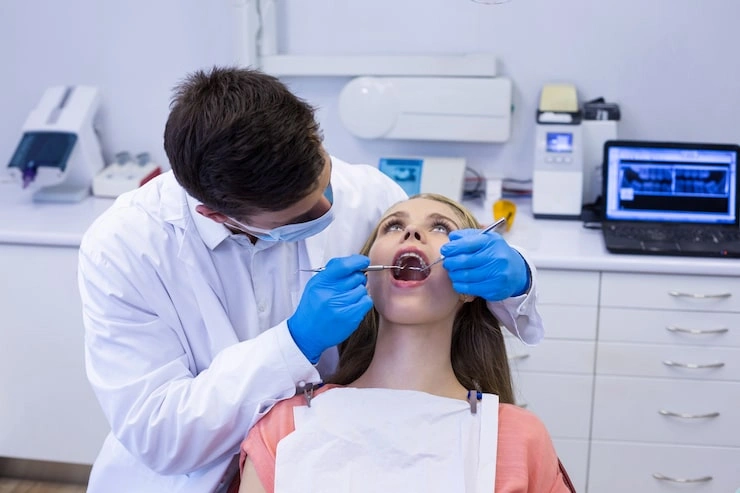
In-surgery whitening, sometimes called power or chair-side whitening, is carried out at the practice in a single appointment. Your gums and soft tissues are protected, a whitening gel is applied to the teeth and left for set periods, often with a light, before being refreshed.
In the UK, tooth whitening may only be carried out by dentists, or by hygienists and therapists on a dentist’s prescription. Products containing above a certain level of peroxide can only be supplied and used by dental professionals, and only on patients aged 18 and over.
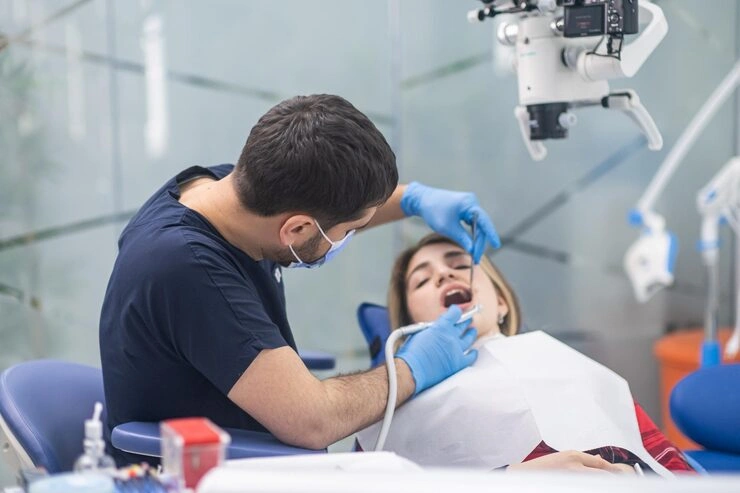
Interested in a brighter smile in Birmingham? Our experienced team will assess your teeth and explain whether whitening would work for you.
Whitening always follows an assessment, never a walk-in request. Treatment usually involves:
Your dentist will record your starting shade so you can see the difference, and explain how long the result is likely to hold.
Whitening lightens natural tooth structure. It does not change the colour of fillings, crowns, veneers or bridges, so if you have visible restorations in your smile they may look darker afterwards and might need replacing to match. Your dentist will point this out before you start.
Sensitivity during and shortly after whitening is common and usually settles within a few days. Results vary between individuals, and teeth darkened by trauma, certain medicines or internal staining may respond differently or need a different approach. Whitening is not permanent, and top-ups are usually needed over time.

When carried out by a registered dental professional following an assessment, whitening is a well-established treatment. Temporary sensitivity is the most common side effect.
No. It is only legal for patients aged 18 and over in the UK, and your teeth and gums must be healthy first. Decay and gum disease are treated before whitening.
No. Whitening only affects natural tooth. Existing restorations keep their colour and may need replacing afterwards to match your new shade.
This varies with diet, smoking and oral hygiene. Many people maintain the result for a year or more with occasional top-ups using home trays.
Professionally supervised whitening at regulated concentrations is not considered to damage enamel. Unregulated products bought online or from beauty salons carry real risks.
Sensitivity during or after treatment is common and usually temporary. Tell us if you already have sensitive teeth, as we can adjust the approach and recommend products to help.
