Deep cleaning beneath the gum line to treat periodontal disease at Highfield Dental Clinic, Edgbaston.
Treating gum disease properly takes time and thoroughness. We plan treatment across dedicated appointments so each area receives the attention it needs.

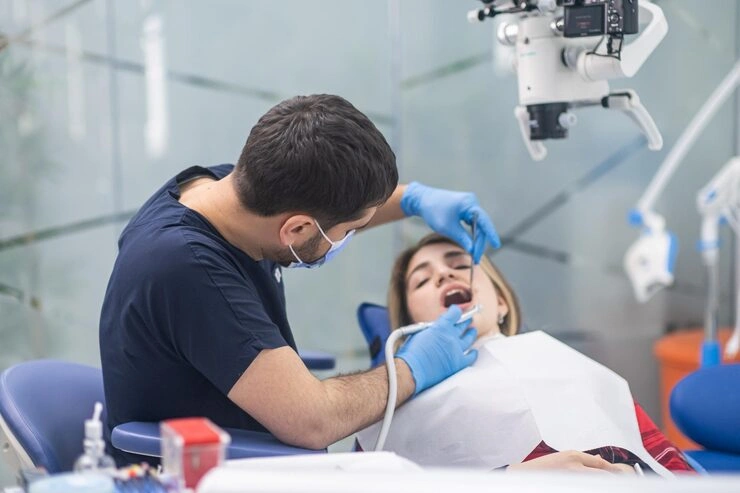
Root surface debridement, often shortened to RSD, is the careful removal of plaque, hardened deposits and bacterial products from the root surfaces beneath the gum line. It is the main non-surgical treatment for periodontitis.
Half-mouth RSD means one side of the mouth is treated at each appointment, usually over two visits. This allows enough time for a thorough clean and means only part of your mouth is numb at any one time, which most patients find far more comfortable.
Diagnosed with gum disease, or worried about bleeding gums in Birmingham? Our experienced team can treat it and help you keep it stable.
Each appointment focuses on one half of the mouth. Treatment usually involves:
Your clinician will explain what they found and what to expect in the following days before you leave.
Some tenderness and sensitivity to cold is normal for a few days, and gums may appear to shrink slightly as inflammation settles. This can leave small gaps between teeth and expose more root, which is a sign of healing rather than a problem, though it can take some getting used to.
Treatment removes the bacteria, but keeping them away is down to daily cleaning at home. Brushing twice a day and cleaning between every tooth with interdental brushes is essential. We will review your gums several weeks after treatment to measure the response and agree how often you should return for maintenance.

The area is numbed with local anaesthetic, so treatment is comfortable. Tenderness and cold sensitivity for a few days afterwards are common and usually settle.
Treating one side at a time allows enough time to clean thoroughly and means only part of your mouth is numb, so you can eat and drink more easily afterwards.
A scale and polish cleans above and just below the gum line. Root surface debridement cleans deep beneath the gum, on the root surfaces, and treats active periodontal disease.
Gums may shrink as inflammation reduces, which can expose more of the root and create small gaps. This is a normal sign of healing, though it may cause temporary sensitivity.
Usually not. Thorough mechanical cleaning and good home care are the mainstays of treatment. Antibiotics are only used in specific circumstances where clinically justified.
We review your gums after several weeks to measure the response. Most patients then move on to regular periodontal maintenance appointments at an interval suited to their risk.
