
Removing a buried or impacted tooth takes planning and experience. Our team assesses each case thoroughly and explains exactly what is involved before you decide.

A surgical extraction is used when a tooth cannot simply be lifted out. This may be because it is impacted, has not fully come through the gum, has curved or spreading roots, or has broken at the gum line. The gum is gently lifted, a small amount of bone may be removed, and the tooth is often divided into sections so it can be taken out in pieces.
Wisdom teeth are the most common reason for surgical extraction. They are the last teeth to arrive, usually in the late teens or early twenties, and there is often not enough room for them to come through properly.
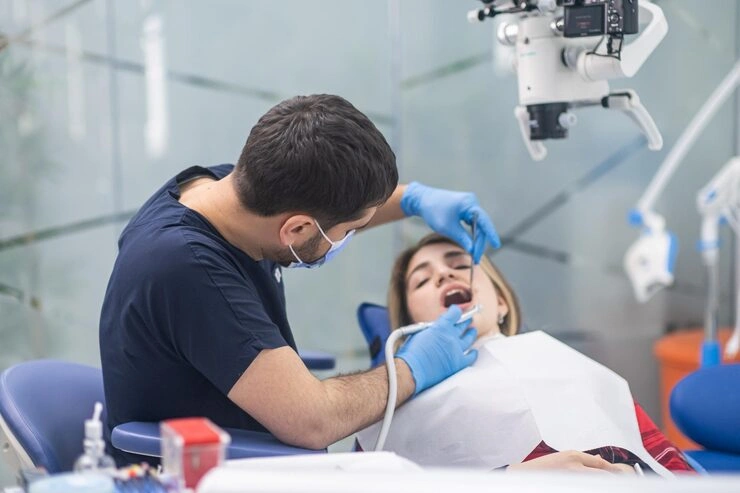
Troubled by a wisdom tooth or a tooth that needs surgical removal in Birmingham? Our experienced team will assess it and explain your options.
The procedure is carried out under local anaesthetic, with sedation if agreed in advance. It usually involves:
You will feel pressure and movement rather than pain. Most appointments take longer than a simple extraction, and we will tell you what to expect beforehand.
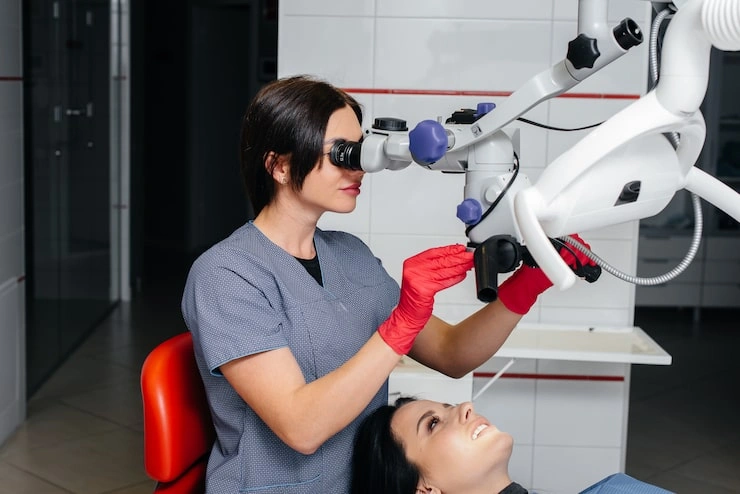
Swelling, soreness and some stiffness in the jaw are normal for several days after a surgical extraction, and are usually at their worst around the second or third day. Rest for the remainder of the day, use pain relief as advised, and apply a cold compress to the outside of the face for the first day.
Avoid rinsing, smoking, alcohol, hot drinks and strenuous exercise for the first 24 hours, then begin gentle warm salt water rinses. Eat softer foods and chew away from the site. Contact us if you develop increasing pain after a few days, heavy bleeding, a high temperature or difficulty opening your mouth.

No. NICE guidance advises against removing wisdom teeth that are not causing problems. We recommend removal where there is repeated infection, decay, damage to the neighbouring tooth, cysts or other clear clinical reasons.
The area is fully numbed, so you should feel pressure rather than pain. Discomfort afterwards is normal for several days and usually responds well to recommended pain relief.
Intravenous sedation is available for suitable patients and suitable procedures. You will need someone to accompany you home and stay with you afterwards. Your dentist will assess whether it is appropriate.
Risks include swelling, bruising, infection, dry socket and, for lower wisdom teeth, temporary or rarely permanent altered sensation in the lip, chin or tongue. Your dentist will discuss the risks specific to your case before you consent.
Most people feel much better within a week, though full healing of the socket takes longer. Many patients take a day or two off work, particularly after lower wisdom tooth removal.
A CBCT scan gives a three-dimensional view of the tooth and its relationship to the nerve in the lower jaw or the sinus above. It is recommended when this information would make the procedure safer.
