
Slim, strong cobalt chrome dentures designed for a secure, comfortable fit at Highfield Dental Clinic, Edgbaston.
Gold remains one of the most durable materials in dentistry. Where appearance is less of a concern, it can be an excellent long-term choice.
A gold crown is made from a gold alloy, which combines gold with other metals to give the strength needed in the mouth. It covers the prepared tooth completely, restoring its shape and function.
Gold is not as hard as ceramic, which is an advantage. It wears at a rate closer to natural enamel, so it is gentler on the opposing teeth. It can also be made very thin at the edges, which means less healthy tooth needs removing than for some other crowns.
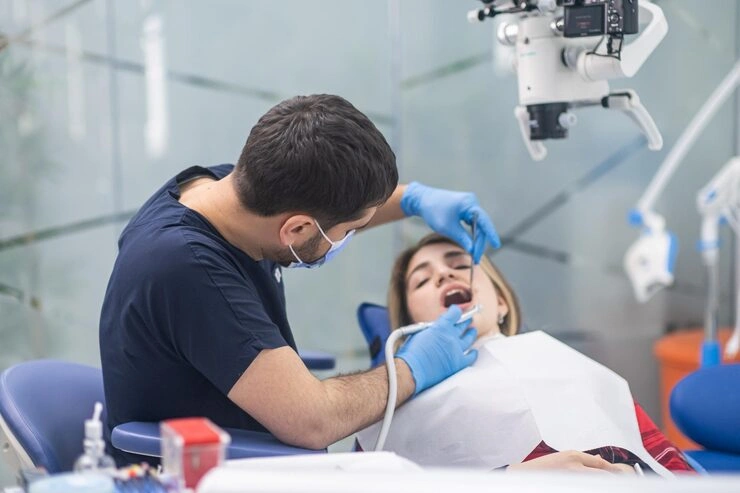
Considering a long-lasting crown for a back tooth in Birmingham? Our experienced team will help you weigh up durability, appearance and cost.
Gold crowns are made in a dental laboratory, so treatment takes two appointments. It usually involves:
Your dentist will check the fit and bite carefully before cementing, and give you aftercare advice at the fitting appointment.
The obvious consideration is appearance, as a gold crown is clearly visible when you open your mouth. Most patients choose gold for molars at the back, where it is far less noticeable, and a tooth-coloured material for teeth in the smile line.
Gold alloys are generally well tolerated, though reactions to metals are possible, so tell us about any known metal allergies. Costs vary with the market price of gold and the alloy used, and your written treatment plan will set out the fee before treatment begins.

Gold is very durable, kind to the teeth it bites against and allows a more conservative preparation. For a back tooth that is not visible, many patients and dentists consider it an excellent long-term option.
Gold crowns are known for their longevity and often last many years. As with any restoration, lifespan depends on your bite, oral hygiene and habits such as grinding, and cannot be guaranteed.
It will be visible if you open wide, but on back molars it is rarely noticeable in normal conversation or smiling. Your dentist will show you the tooth in question so you can judge.
No. They are made from a gold alloy, as pure gold would be too soft. The alloy gives the strength and wear resistance needed for chewing.
It is technically possible but rarely chosen, as an all-ceramic crown gives a far more natural appearance in the smile line.
Please tell us about any known metal allergies. Gold alloys are generally well tolerated, but we will discuss suitable alternatives if there is any concern.
