
A proven combination of a metal core and porcelain finish at Highfield Dental Clinic, Edgbaston.
Porcelain-bonded crowns have restored teeth reliably for decades. Our team will tell you honestly when this well-established option is the right one for your tooth.
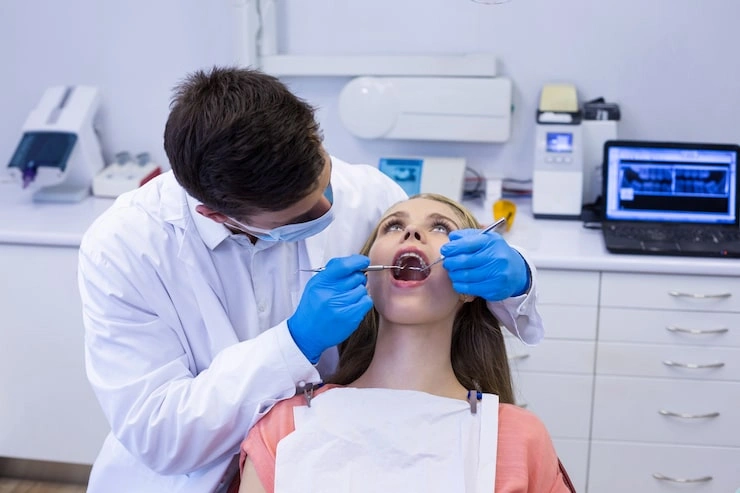
A porcelain-bonded crown, sometimes called porcelain-fused-to-metal, has an inner shell of metal alloy covered by layers of tooth-coloured porcelain. The metal provides strength and an accurate fit, while the porcelain gives the crown a natural appearance.
This type of crown has been used successfully for many years and remains a practical option in a range of situations, including some bridges. All-ceramic materials such as Emax and zirconia are now often preferred for front teeth, and your dentist will explain which is more suitable for you.
Wondering which crown is right for your tooth in Birmingham? Our experienced team will compare the options with you at your consultation.
Treatment is usually completed over two appointments. It typically involves:
A temporary crown keeps the tooth protected while the laboratory makes your permanent crown, usually over a couple of weeks.
The main advantage of this crown is the combination of a strong metal substructure with a tooth-coloured surface. It has a long track record and can be used where an all-ceramic crown may be less suitable, including as part of some bridges.
There are trade-offs to understand. A little more tooth may need to be removed to allow room for both the metal and the porcelain, and if the gum recedes over the years a thin grey line can become visible at the crown edge. Porcelain can also chip. We will explain these points alongside the alternatives so you can make an informed choice.

It can do over time if the gum recedes and exposes the metal edge. If this concerns you, particularly for a front tooth, an all-ceramic crown such as Emax or zirconia may be preferable.
Yes. They remain a reliable, well-proven option in many situations, including certain bridges, even though all-ceramic materials are now often chosen for teeth in the smile line.
Many last a decade or more with good oral hygiene and regular check-ups. Lifespan varies with your bite, the tooth involved and habits such as grinding.
Porcelain can chip, particularly under heavy biting forces or if you grind your teeth. Small chips can sometimes be smoothed or repaired, while larger ones may need the crown replacing.
Dental crowns are not usually a problem for MRI scanning, though they can occasionally affect image quality in the immediate area. Always tell the radiography team about any dental work you have.
Brush twice daily with fluoride toothpaste, clean between your teeth every day and attend regular check-ups and hygiene appointments. The natural tooth beneath the crown can still decay.
