
Less noticeable fixed braces
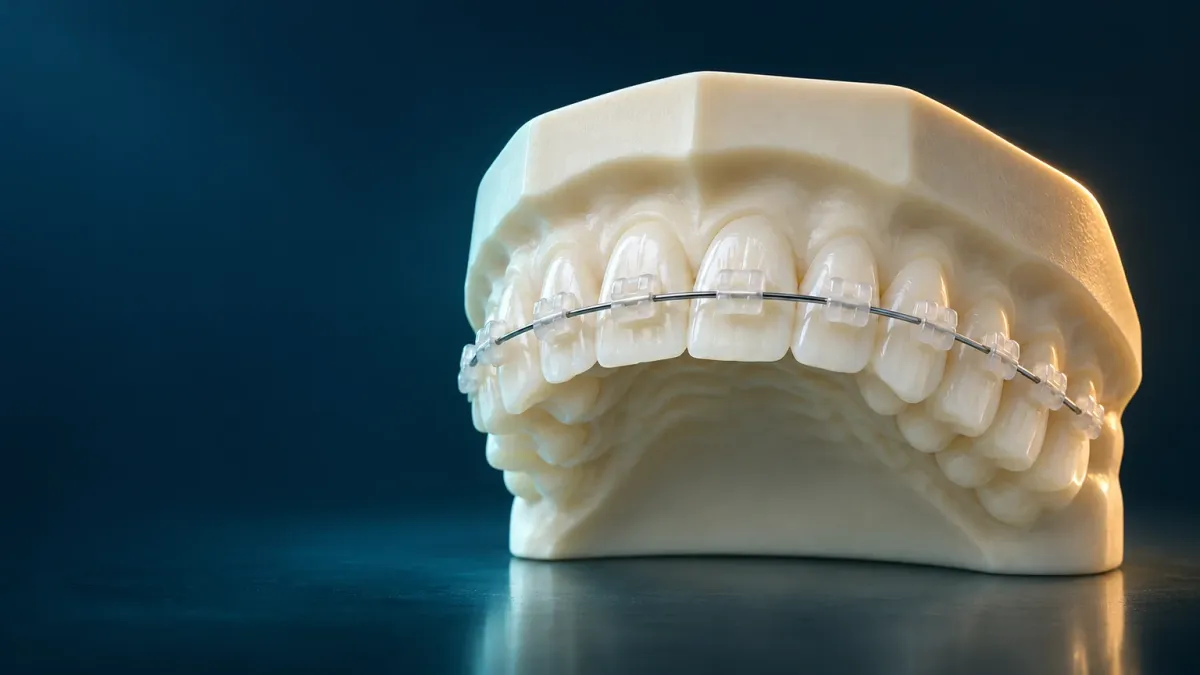
Ceramic brackets are a less visible option for some fixed braces. A wire still connects the brackets and moves the teeth.
Before
Bring any current brace or retainer and tell the orthodontic team what you would like to change.
During
Ask what will happen at this visit, what the appliance does and what the plan involves between appointments.
After
You’ll need retainers to help keep your teeth in their new positions. Ask your team how to care for them and who to contact if a brace or retainer breaks.
Clinicians

FAQs
Do I need a brace on both jaws?
It depends on the changes needed and how the upper and lower teeth should meet. The orthodontist will explain the plan after assessing your bite.
What if a bracket or wire breaks?
Tell the team what’s broken or uncomfortable. They can advise how soon it needs to be checked.
Help with a brace or retainerFurther reading
Comparing ceramic and metal brackets
Ceramic brackets are designed to blend in with teeth. They can be bulkier than metal brackets, and the elastics holding the wire can discolour. Your clinician will check whether ceramic brackets are suitable for your bite.
What to consider
Your teeth may feel sore after fitting or adjustments. Plaque around brackets can lead to decay or inflamed gums. Your clinician will explain how to clean around the brace and discuss the risks and expected timescale for your teeth.