
Invisalign
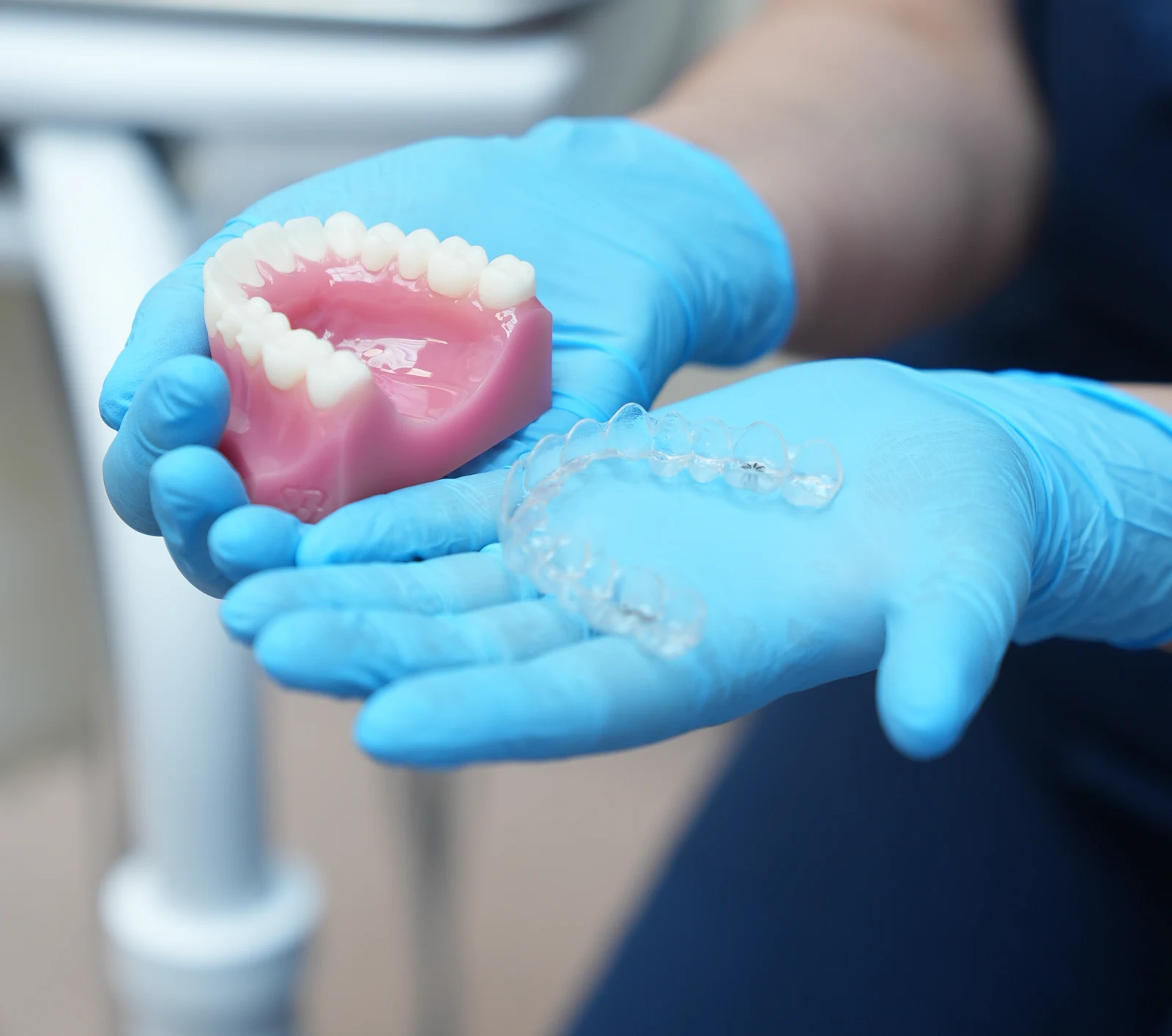
Invisalign uses a series of clear removable aligners to move teeth gradually. An assessment helps you find out whether it can achieve the changes you want.
Before
Bring any current brace or retainer and tell the orthodontic team what you would like to change.
During
Ask what will happen at this visit, what the appliance does and what the plan involves between appointments.
After
Confirm how to look after the appliance and when to return. Ask whom to contact if it breaks or no longer fits.
Clinicians

Technology
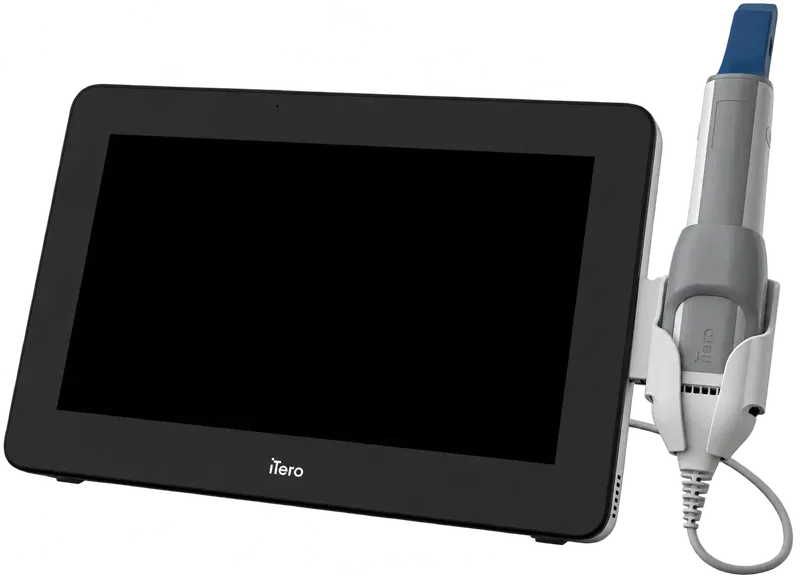
Intraoral scanner
Records the shape of your teeth so the orthodontic team can plan the movements for your aligners.
FAQs
Can aligners correct any bite?
Some tooth movements suit fixed braces or another approach better. The orthodontist can explain which options apply to you.
BracesWhat if an aligner is lost or stops fitting?
Contact the orthodontic team. They can advise whether to keep wearing an aligner, bring it in or adjust the plan.
Contact HighfieldFurther reading
Assessment and planning
The orthodontic team checks your teeth and bite. A digital scan records their shape. The team can explain the intended movements and whether small attachments on the teeth might help.
Wearing your aligners
The team tells you when to change aligners, when to remove them and how to clean them. They’ll check your progress and plan retainers when active treatment is finished.
Clear aligners are removable trays that move teeth in small steps. Your clinician can compare them with fixed braces after assessing your teeth and bite.
Assessment and daily wear
The consultation is where you discuss suitability. Treatment involves wearing a series of aligners for the recommended time each day and returning for checks. Retainers help keep teeth in place afterwards.