
Braces
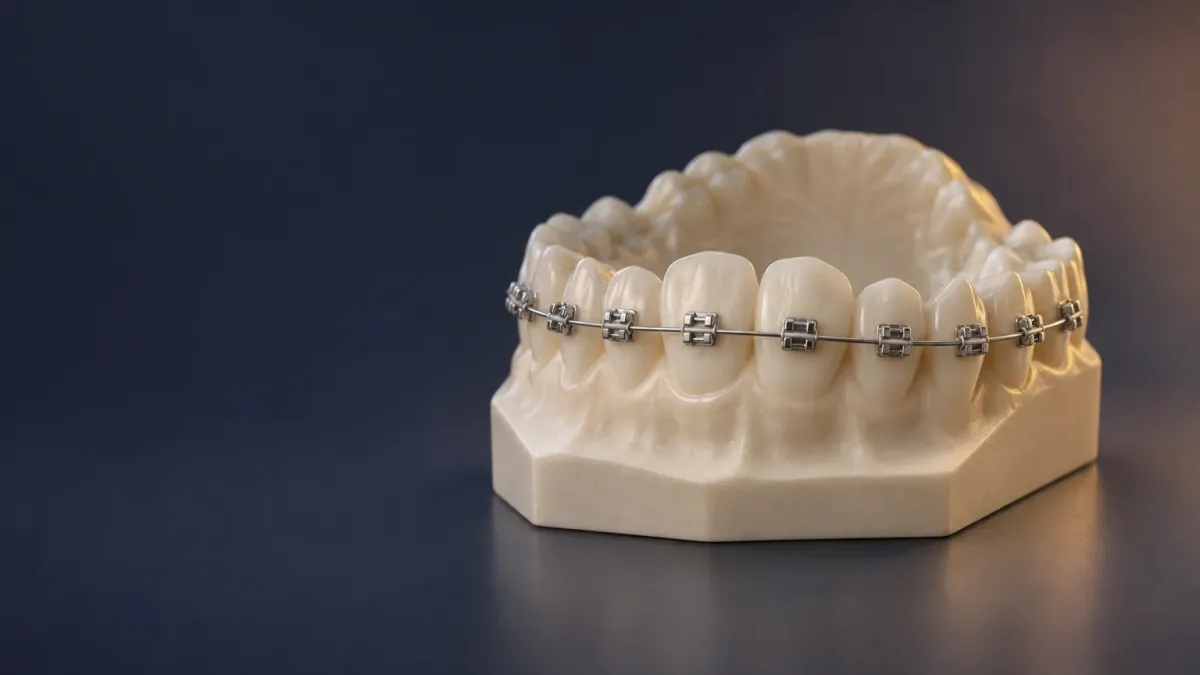
Fixed braces use brackets and a wire to move your teeth. Your orthodontist can discuss metal or ceramic brackets and whether treatment is needed in one or both jaws.
Before
Bring any current brace or retainer and tell the orthodontic team what you would like to change.
During
The team adjusts the brace at review visits and shows you how to clean around the brackets. After the brace is removed, a retainer helps keep teeth in position.
After
Confirm how to look after the appliance and when to return. Ask whom to contact if it breaks or no longer fits.
Clinicians

FAQs
Do I need a brace on both jaws?
It depends on the changes needed and how the upper and lower teeth should meet. The orthodontist will explain the plan after assessing your bite.
What if a bracket or wire breaks?
Tell the team what’s broken or uncomfortable. They can advise how soon it needs to be checked.
Help with a brace or retainerFurther reading
Choosing a fixed brace
Ceramic brackets are less noticeable than metal ones. The orthodontist considers the movements needed, your bite and how the appliance will be looked after before recommending an option.
Fixed braces move teeth with brackets and a wire. The assessment considers your teeth, gums and bite.
Fixed braces, ceramic brackets and aligners
Metal and ceramic brackets are both fixed to the teeth. Ceramic brackets can be less noticeable. Clear aligners are removable and work differently. Your clinician can compare suitable options and explain follow-up, cleaning and retainers.