
A child should see a dentist by their first birthday, or within six months of the first tooth appearing, and then at intervals recommended for their individual risk. Early visits are not about treatment. They are about familiarity, prevention and catching problems while they are still tiny. Tooth decay in children is very common and largely preventable, but it is not harmless, because untreated decay in baby teeth causes pain, infection and disruption to the adult teeth developing beneath. Registering your child with a family friendly practice such as Highfield Dental Clinic is the simplest step a parent can take.
Baby teeth matter more than many parents realise. They guide the permanent teeth into position, support speech development and allow proper chewing during years of rapid growth.
Prevention does most of the work. Regular dental hygiene appointments, fluoride application and brushing coaching prevent far more problems than any filling ever fixes.
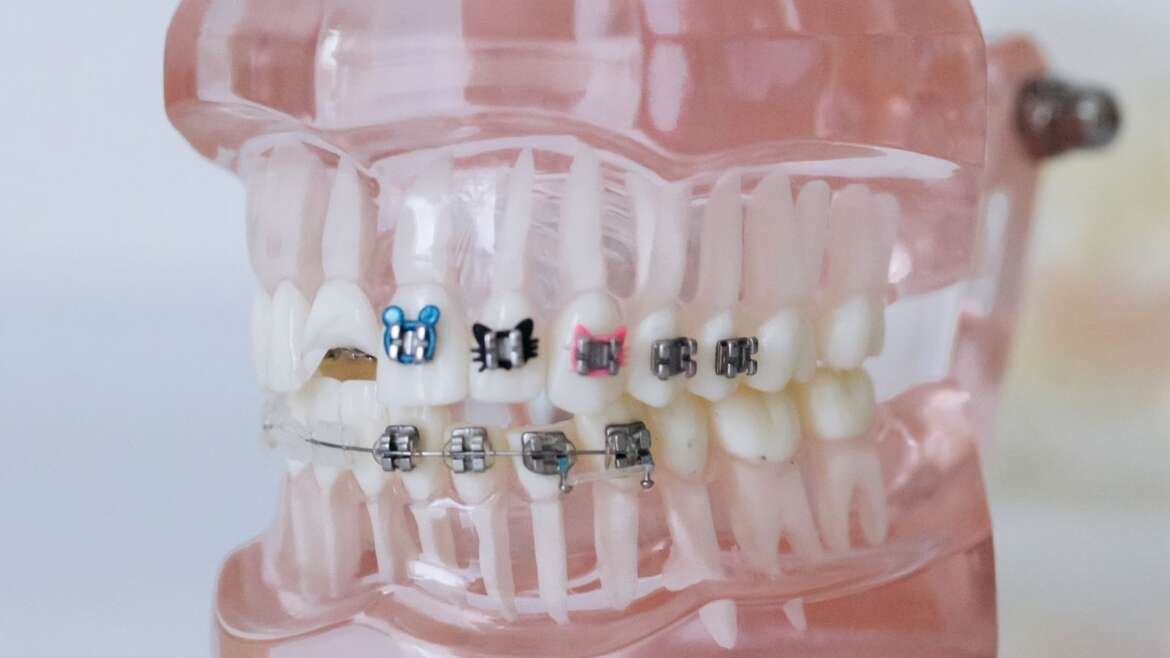
As the permanent teeth arrive, alignment becomes worth monitoring, and early assessment within orthodontics identifies crowding, crossbites and jaw growth patterns at the stage when they are easiest to influence.
Accidents happen too, particularly with active children, and knowing you have access to emergency dental care for a knocked-out or broken tooth removes a great deal of parental panic.
You can see the full range of treatments available for the whole family under our services, from routine check-ups to specialist referral pathways.
To register your child, book an appointment online or call 0121 455 6974.
Why Baby Teeth Are Not Disposable
- They hold space for permanent teeth, preventing crowding later
- They enable proper chewing during years of significant growth
- They support clear speech development
- Infection in a baby tooth can damage the developing adult tooth beneath it
- Toothache in childhood affects sleep, concentration and school attendance
- Early dental pain often creates lasting anxiety about dental visits
A Dental Timeline by Age
Birth to 12 Months
Wipe gums with a clean damp cloth after feeds. Once the first tooth appears, usually around six months, brush twice daily with a smear of fluoride toothpaste. Book the first dental visit. Avoid sweetened drinks in bottles and never put a baby to bed with a bottle of milk or juice.
1 to 3 Years
Brush twice daily with a smear of toothpaste containing at least 1000 ppm fluoride. Move from bottle to open cup by around 12 months. Expect the full set of 20 baby teeth by roughly age three.
3 to 6 Years
Use a pea-sized amount of toothpaste. Supervise brushing, since children lack the manual dexterity to brush effectively alone until around age seven or eight. Fluoride varnish is often applied at check-ups.
6 to 12 Years
Permanent teeth begin to erupt, starting with the first molars and lower incisors. This mixed dentition stage is when fissure sealants are most valuable and when orthodontic assessment becomes relevant.
12 Years and Older
Most permanent teeth are present. Independence increases, and so does risk from snacking, fizzy drinks and reduced supervision. Mouthguards become important for contact sports.
Brushing That Actually Works
- Brush twice a day, always including last thing at night.
- Use a small-headed soft brush and the age-appropriate amount of fluoride toothpaste.
- Encourage your child to spit out but not rinse, so fluoride stays on the teeth.
- Brush for two minutes, using a timer, song or app if that helps.
- Supervise or brush for them until at least age seven.
- Start cleaning between teeth once contacts close, usually with floss sticks.
Diet: The Frequency Matters More Than the Amount
Every time sugar is consumed, the mouth becomes acidic for around 20 to 40 minutes. Six small sweet snacks cause considerably more damage than one larger portion at a mealtime.
- Keep sweet food and drink to mealtimes
- Offer water or plain milk between meals
- Watch out for hidden sugars in flavoured yoghurts, cereal bars, smoothies and dried fruit
- Treat fruit juice as an occasional mealtime drink, diluted, in a cup
- Avoid sipping fizzy or sports drinks slowly over long periods
Preventive Treatments Compared
| Treatment | What it does | Typical age | How often |
| Fluoride varnish | Strengthens enamel against acid | From 3 years | Twice yearly, more if high risk |
| Fissure sealants | Seals deep grooves in molars | 6 to 8 and 11 to 13 years | Once, then checked |
| Sports mouthguard | Protects teeth from impact | From contact sport onset | Remade as jaws grow |
| Orthodontic assessment | Identifies alignment and growth issues | Around 7 to 10 years | Once, then monitored |
Helping an Anxious Child
- Use neutral, matter-of-fact language and avoid words such as pain, needle or drill
- Never use the dentist as a threat or a consequence for bad behaviour
- Book morning appointments when children are less tired
- Bring a comfort object and let them sit in the chair without any treatment on the first visit
- Let your own anxiety stay hidden, since children read parental tension quickly
- Praise cooperation afterwards rather than promising sweets as a reward
Myths Parents Often Hear
Myth: Baby teeth do not need filling because they fall out. Decay causes pain and infection long before the tooth is due to be lost, and infection can harm the developing adult tooth.
Myth: Fluoride is unsafe for children. At the recommended concentrations and quantities, fluoride is well evidenced and endorsed by dental and public health bodies worldwide. The key is using the right amount for the age.
Myth: Children only need to see a dentist when a tooth hurts. By the time a child reports pain, decay is usually well established. Prevention is far kinder and far simpler.
Myth: Thumb sucking always ruins teeth. Occasional sucking in the early years is normal. It becomes a concern if it continues beyond around age four, when it can affect front tooth position.
Myth: Crooked baby teeth mean crooked adult teeth. Not necessarily. Some spacing between baby teeth is actually a good sign, since it suggests room for the larger permanent teeth.
Dental Emergencies With Children
- Knocked-out permanent tooth: hold it by the crown, rinse briefly in milk if dirty, reinsert if possible, or store it in milk and seek dental care immediately. Time is critical.
- Knocked-out baby tooth: do not attempt to reinsert it. Contact the practice for advice.
- Chipped tooth: keep any fragment, rinse the mouth and arrange an appointment.
- Toothache: use age-appropriate pain relief and book promptly rather than waiting.
- Facial swelling: treat as urgent and seek same-day care.
Safety note: this article gives general guidance and does not replace individual clinical advice. Children’s care should always be delivered by dental professionals registered with the General Dental Council (GDC), and facial swelling or a knocked-out permanent tooth requires immediate attention.
A Family Friendly Practice in Edgbaston
Highfield Dental Clinic is a trusted private dental clinic in Edgbaston, Birmingham, welcoming new private patients and offering an extensive range of specialised dental treatments in a professional and caring environment. The patient centred, family friendly approach makes it a practical choice for parents looking for a family dentist in Edgbaston who can look after everyone in one place.
The practice provides check-ups and hygiene, children’s dental care, orthodontics including Invisalign, extractions and oral surgery, root canal therapy, dental implants, teeth whitening, cosmetic dentistry and smile makeovers, mouth cancer screening and jaw problem management. Free orthodontic consultations are offered where applicable.
You can visit at 2 Highfield Road, Edgbaston, Birmingham, B15 3ED, call 0121 455 6974, or email reception@sagroups.co.uk with any question before registering your child. More information is available at https://highfielddental.co.uk/, and appointments are easy to arrange around school hours.
Tooth Eruption: A Reference for Parents
Wide variation is normal, and timing alone rarely indicates a problem. Use these ranges as a guide rather than a rule.
Primary Teeth
- Lower central incisors: 6 to 10 months
- Upper central incisors: 8 to 12 months
- Lateral incisors: 9 to 16 months
- First molars: 13 to 19 months
- Canines: 16 to 23 months
- Second molars: 23 to 33 months
Permanent Teeth
- First molars and lower central incisors: around 6 to 7 years
- Upper central incisors: 7 to 8 years
- Lateral incisors: 7 to 9 years
- Canines and premolars: 9 to 12 years
- Second molars: 11 to 13 years
- Third molars: 17 to 21 years, if they develop at all
Worth mentioning to a dentist: a tooth more than six months later than expected on one side only, or a permanent tooth erupting well before the baby tooth has loosened.
Teething Without Guesswork
Teething causes real discomfort, but it does not cause high fever, diarrhoea or severe illness. Those symptoms need medical assessment rather than being attributed to teeth.
What Helps
- A chilled, not frozen, teething ring
- Gentle gum massage with a clean finger
- A cool damp flannel to chew
- Sugar-free teething gel where age appropriate
- Age-appropriate paracetamol or ibuprofen if genuinely needed, following the label
- Extra comfort and patience, which does more than any product
Avoid amber necklaces, which pose strangulation and choking risks, and avoid rubbing anything sugary on the gums.
Managing Sports and Accidents
Dental trauma peaks between the ages of eight and twelve, which coincides with newly erupted permanent front teeth.
Mouthguards
- Custom-made guards fit better, stay in place and protect more effectively than boil-and-bite versions
- They need remaking periodically as the jaws grow and teeth change
- They are relevant for rugby, hockey, boxing, martial arts, basketball and skateboarding
- Wearing one during orthodontic treatment requires a specific design, so ask
If a Front Tooth Is Knocked Out
- Find the tooth and hold it by the crown, never the root.
- If dirty, rinse in milk for a few seconds only.
- Reinsert it into the socket and have the child bite gently on a clean cloth.
- If you cannot reinsert it, store it in milk.
- Seek dental care immediately; within an hour offers the best prognosis.
- Do not attempt this with a baby tooth.
Children With Additional Needs
Routine dental care is entirely achievable with the right preparation, and many practices are experienced in adapting their approach.
- Request a quiet time slot with reduced waiting
- Ask for a familiarisation visit with no treatment
- Bring ear defenders, sunglasses or a weighted blanket if sensory input is a challenge
- Share a social story or photographs of the practice beforehand
- Explain what works and what does not for your child, in advance and in writing if helpful
- Discuss whether inhalation sedation would make examinations easier
Building Habits That Outlast Childhood
- Brush together as a family so it looks normal rather than imposed.
- Let older children choose their own brush and flavour within sensible limits.
- Use a two-minute timer, song or app rather than nagging.
- Keep the toothbrush visible and accessible, not in a drawer.
- Praise the behaviour rather than the absence of cavities.
- Book the next check-up before leaving the practice, so it never gets forgotten.
Frequently Asked Questions
At what age should my child first see a dentist?
By their first birthday, or within six months of the first tooth erupting. Early visits are short, friendly and mainly about building familiarity with the environment.
How much toothpaste should a child use?
A smear for children under three and a pea-sized amount from three onwards, using toothpaste with an age-appropriate fluoride concentration as advised by your dentist.
Should my child rinse after brushing?
No. Encourage spitting out without rinsing, because rinsing washes away the fluoride that continues protecting the enamel afterwards.
When should orthodontic treatment start?
An assessment around age seven to ten is useful for spotting developing problems, although active treatment usually begins once most permanent teeth have erupted, often in the early teens.
Are dental X-rays safe for children?
Yes, when clinically justified. Modern digital radiography uses very low doses, and images are only taken when they will genuinely change the diagnosis or treatment plan.
Conclusion
Children’s dental health is built on early visits, twice-daily brushing with the right amount of fluoride, and keeping sugar to mealtimes. Baby teeth are worth protecting because they shape everything that follows. Register early, keep visits routine, and treatment rarely becomes necessary at all.
