
Root canal treatment
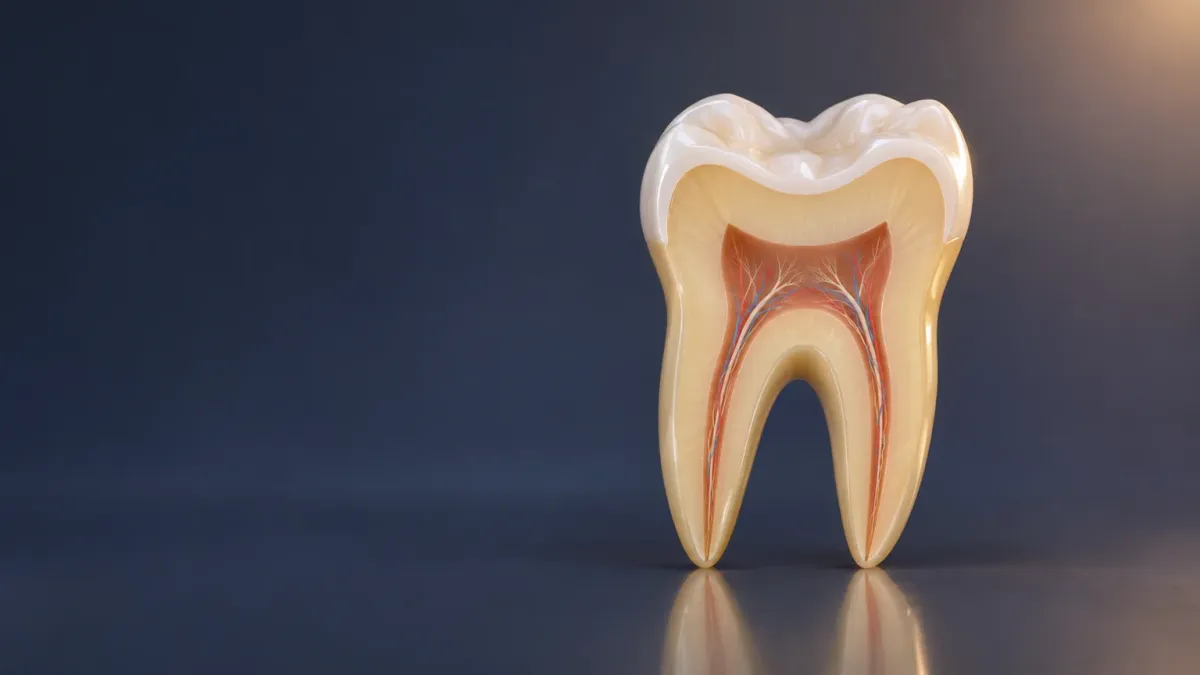
The dentist cleans and seals the inside of the tooth to treat infection and try to keep the tooth.
Before
Tell the dentist which tooth is affected, what you have noticed and whether it has been treated before.
During
Ask which part of the root canal plan this appointment covers and what will be needed to protect the tooth between visits.
After
Follow the advice for the treated tooth and check whether you need another visit or a final restoration.
Clinicians

Technology

Endodontic microscope
Magnification and light help the clinician see small details inside the tooth during root canal work.
Digital X-rays
Help assess the tooth and its roots when clinically indicated.

CBCT scanning
May help in complex cases when standard X-rays don’t answer a question that affects treatment.
FAQs
How many visits will I need?
This depends on the tooth and the condition being treated. Ask the clinician about the treatment stages and when the final restoration can be fitted.
Will I need a crown afterwards?
It depends on which tooth was treated and how much sound tooth remains. Your dentist can explain how they plan to protect it.
Fillings and crownsFurther reading
What happens during treatment
The dentist usually numbs the area, removes infected tissue from inside the tooth and cleans and seals the root canals. Treatment may take more than one visit, and a temporary filling may be placed between visits.
Protecting the tooth afterwards
You may need a permanent filling or crown to restore and protect the tooth. Follow the instructions you’re given and contact the practice if pain or swelling is worsening after treatment.
When the tooth cannot be kept
If the tooth is badly damaged or cannot be restored, removal may be the better option. Your dentist will explain what is possible and discuss ways to manage any resulting gap.