
Repeat root canal treatment
A repeat root canal treats a tooth that has a new or continuing problem after a previous root canal.
Before
Tell the dentist which tooth is affected, what you have noticed and whether it has been treated before.
During
Ask which part of the root canal plan this appointment covers and what will be needed to protect the tooth between visits.
After
Follow the advice for the treated tooth and check whether you need another visit or a final restoration.
Clinicians

Technology

Endodontic microscope
Magnification and light help the clinician see small details inside the tooth during root canal work.
Digital X-rays
Help assess the tooth and its roots when clinically indicated.
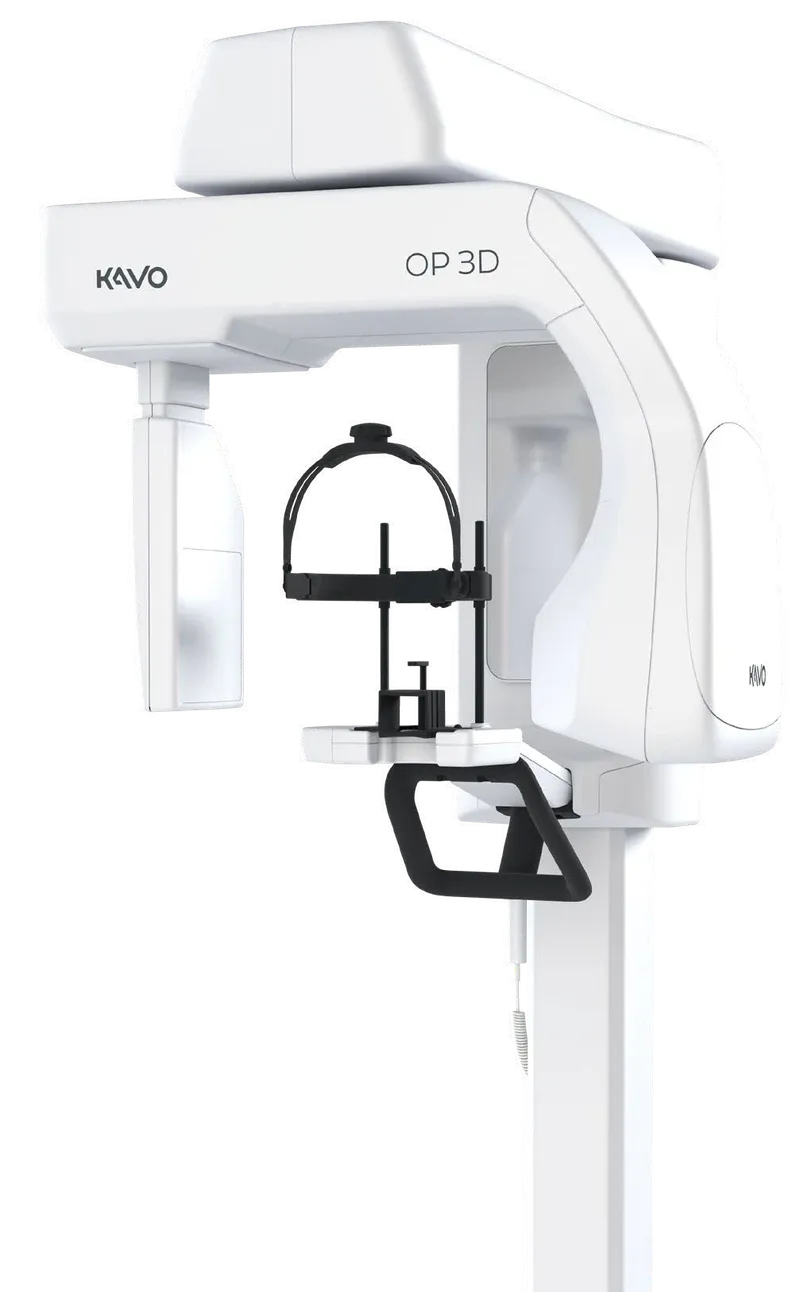
CBCT scanning
May help in complex cases when standard X-rays don’t answer a question that affects treatment.
FAQs
How many visits will I need?
This depends on the tooth and the condition being treated. Ask the clinician about the treatment stages and when the final restoration can be fitted.
Will I need a crown afterwards?
It depends on which tooth was treated and how much sound tooth remains. Your dentist can explain how they plan to protect it.
Fillings and crownsFurther reading
When it may be considered
Your dentist checks whether infection has returned or persisted and whether the tooth is strong enough to keep. Sometimes a leak, decay or a canal that was difficult to reach contributes to the problem.
How it differs from first-time treatment
To reach the canals, the dentist may need to remove a filling, crown or post. The old canal filling is removed so the canals can be cleaned and sealed again. A new restoration may be needed afterwards.
Alternatives
Depending on what is found, root-end surgery or taking the tooth out may be discussed. Your clinician will explain the risks and what can reasonably be achieved in your case.