
Implant removal
An implant may need removal if it has failed, fractured or developed problems that cannot be managed while it remains in place.
Before
Tell the team about any looseness, swelling or soreness and bring details of the implant if you have them.
During
Ask what the assessment shows, why removal is proposed and what the alternatives are.
After
Follow the instructions for healing and ask when you can discuss replacement options.
Technology
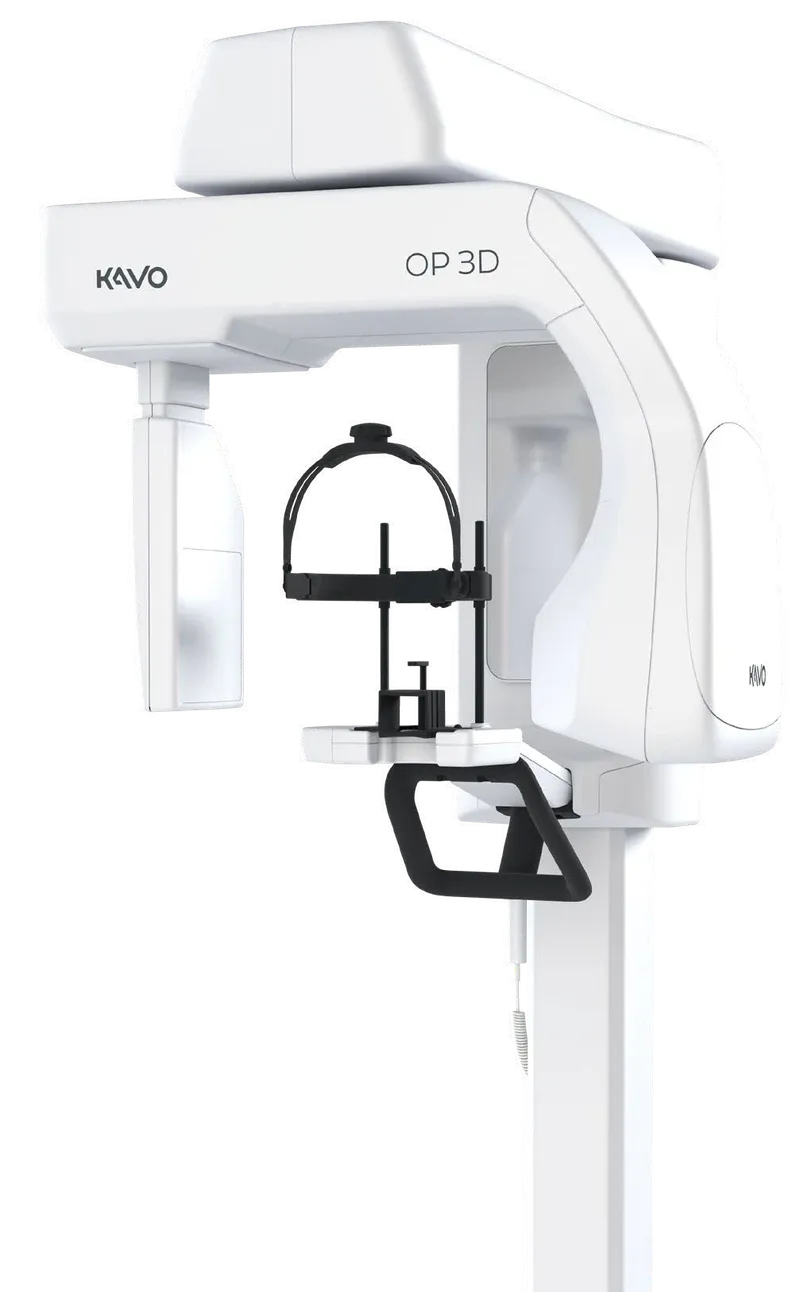
CBCT scanning
Shows the jawbone and nearby structures in 3D when clinically indicated.
FAQs
Can I always have another implant?
No. The cause of the problem and the remaining bone matter. A bridge or denture may be more suitable.
Will I have a gap while it heals?
Ask the team about a temporary replacement before treatment. Its suitability depends on the site and healing plan.
Further reading
Assessing the problem
The team examines the implant and surrounding tissues and may recommend imaging. The reason for the problem and the remaining bone help guide the treatment options.
Removal and replacement planning
Removal is usually carried out with local anaesthetic. The technique depends on how firmly the implant is held. The area may need grafting and healing before another implant is considered.
Your implant team will explain who carries out each stage, the alternatives and the follow-up you will need.