
Implant placement
An implant is placed in the jawbone to support a replacement crown, bridge or denture.

Before
Bring previous implant records if you have them. Tell the team about any medicines, changes in your health or concerns about the site.
During
Ask which stage of the implant plan this visit covers, which alternatives apply and what the team needs to check before moving on.
After
Follow the instructions for your stage of care and confirm the timing of your next review.
Technology
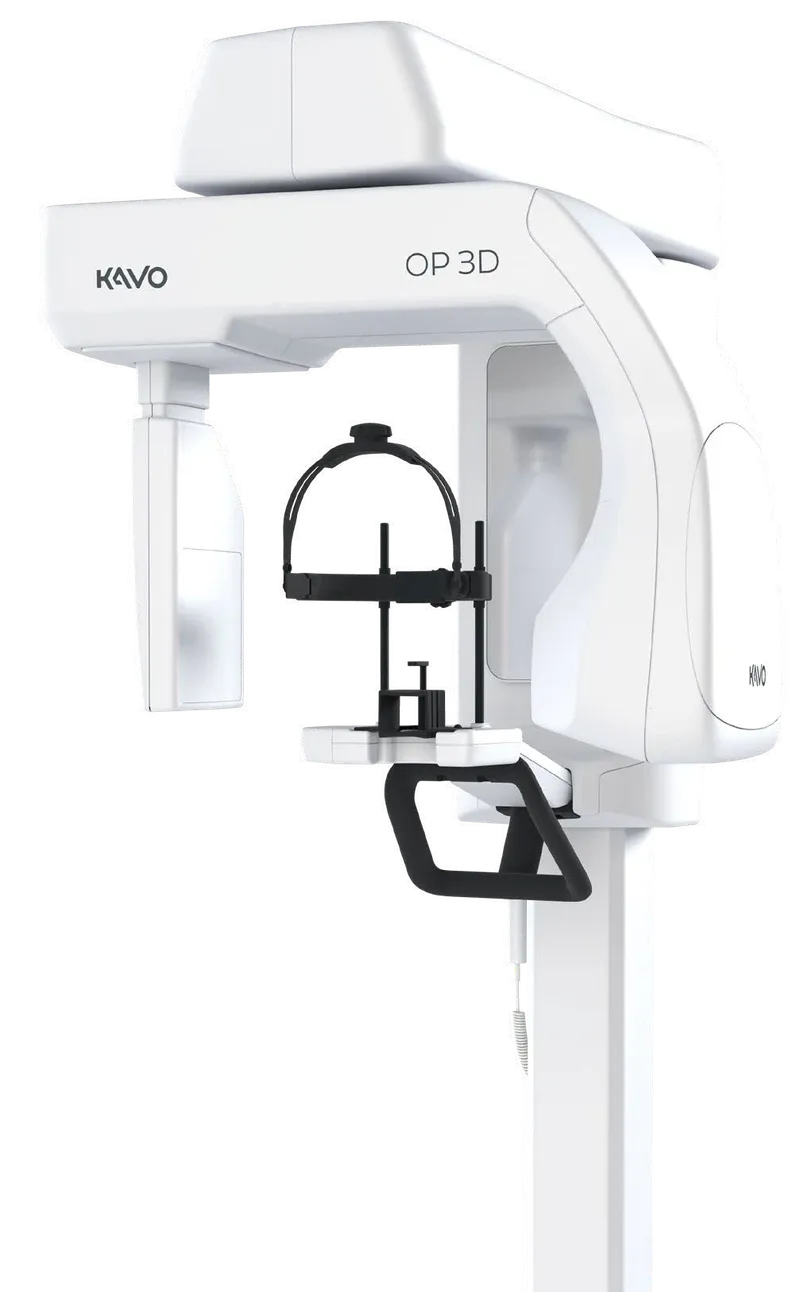
CBCT scanning
Shows the jawbone and nearby structures in 3D when clinically indicated.

Intraoral scanner
Records your teeth and gums to help plan the position and shape of your replacement teeth.
FAQs
Will I be awake during placement?
Implant surgery is commonly carried out with local anaesthetic. Discuss anxiety and any additional support with your team before the visit.
When are the final teeth fitted?
The implant usually needs time to heal in the bone. Your team will explain the stages and any temporary replacement.
Further reading
Assessment and planning
The dental team checks your teeth, gum health, jawbone and medical history. Imaging may help assess the available bone. Your clinician can explain whether a graft may be needed and which replacement options are suitable.
Placement and healing
The implant is placed in the jawbone during surgery. It is usually left to join with the bone before the final replacement teeth are fitted. The number of visits and the healing time depend on your treatment plan.
Risks to discuss
Possible problems include infection and the implant failing to join with the bone. Depending on the site, nearby nerves or the sinus can also be affected. Ask what risks apply to you and what to do if you have a problem after surgery.
Long-term care
Cleaning around implants and attending reviews are important. The gum and bone around an implant can become inflamed or be lost over time. The replacement tooth or its attachments may also need maintenance or repair.
Your implant team will explain who carries out each stage, the alternatives and the follow-up you will need.