
Dental bridges
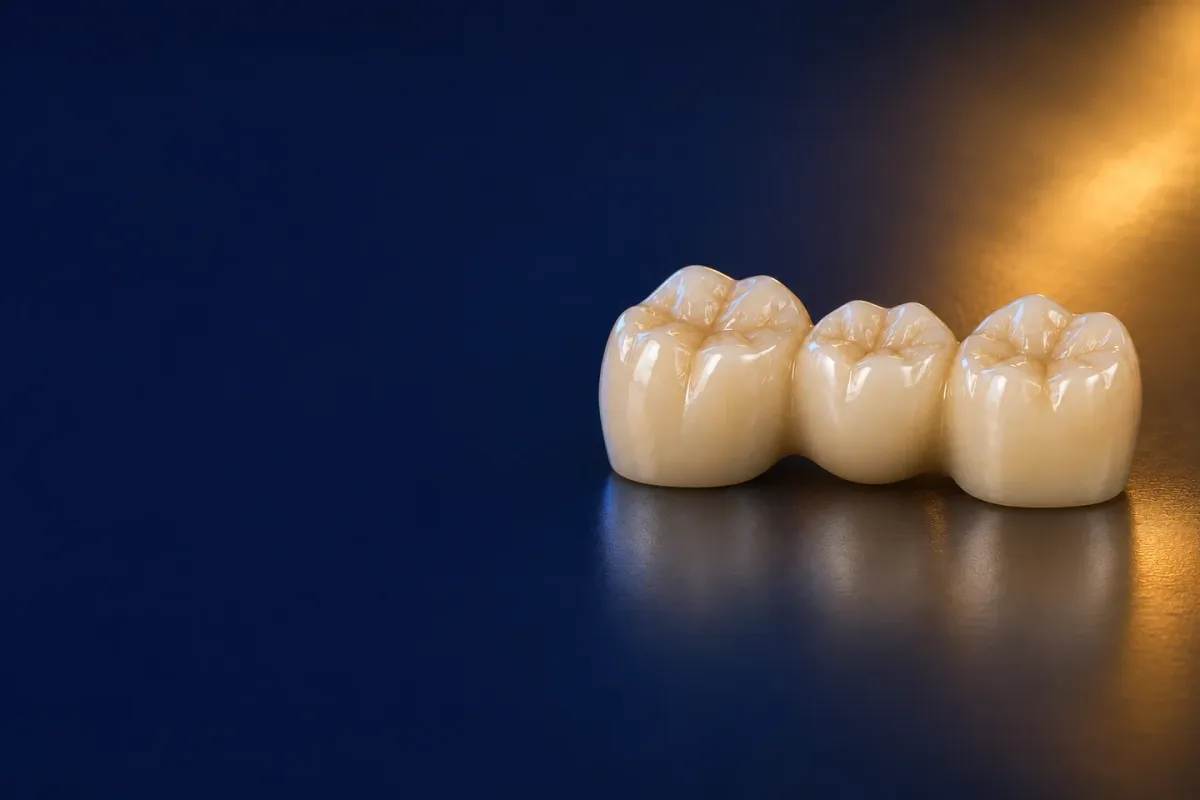
A tooth-supported bridge is a fixed replacement attached to one or more teeth beside a gap.
Before
Tell the dentist about the missing tooth and any existing bridge or denture.
During
Ask which teeth or implants would support the bridge and what alternatives could suit the gap.
After
Ask the team to show you how to clean beneath the bridge and when the fit should be checked.
Technology
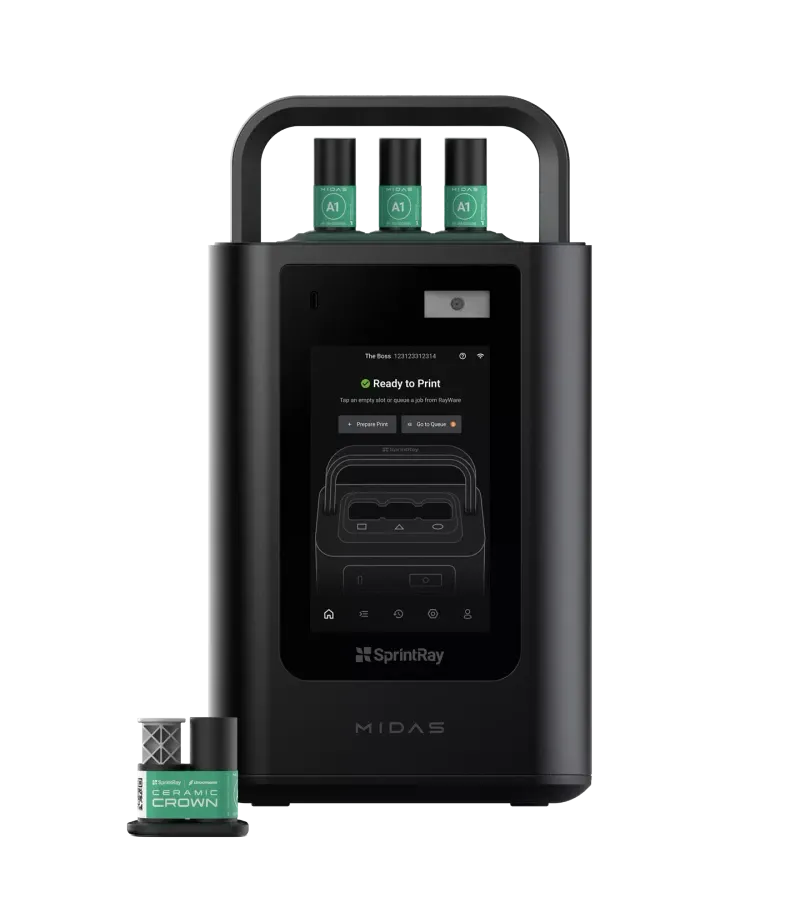
CAD/CAM digital dentistry
Digital scans and design can help plan a bridge. Your dentist will explain which records are needed for your design.
FAQs
Is this the same as an implant bridge?
A conventional bridge uses your own teeth for support. An implant bridge uses implants placed in the jaw.
Implant bridgesCan I take a bridge out to clean it?
A fixed bridge stays in your mouth. The team can show you which cleaning aids help you reach underneath it.
Further reading
How bridges are supported
Some bridges are bonded to a neighbouring tooth. A conventional bridge is supported by crowns on one or more neighbouring teeth, which need to be shaped. The options depend on the gap, the condition of those teeth and your bite.
Cleaning and maintenance
You’ll need to clean underneath the replacement tooth as well as brushing and cleaning the rest of your teeth. Ask your team what to use and what to do if the bridge feels loose.
Other ways to manage a gap
Options may include an implant-supported replacement, a removable denture or leaving the gap, depending on your mouth and what matters to you.
Your dentist can compare bridge designs and explain whether any nearby teeth would need preparation.