
Fillings
A filling repairs an area of a tooth damaged by decay or a small break. Your clinician checks the tooth and explains what can be repaired and which material is suitable.
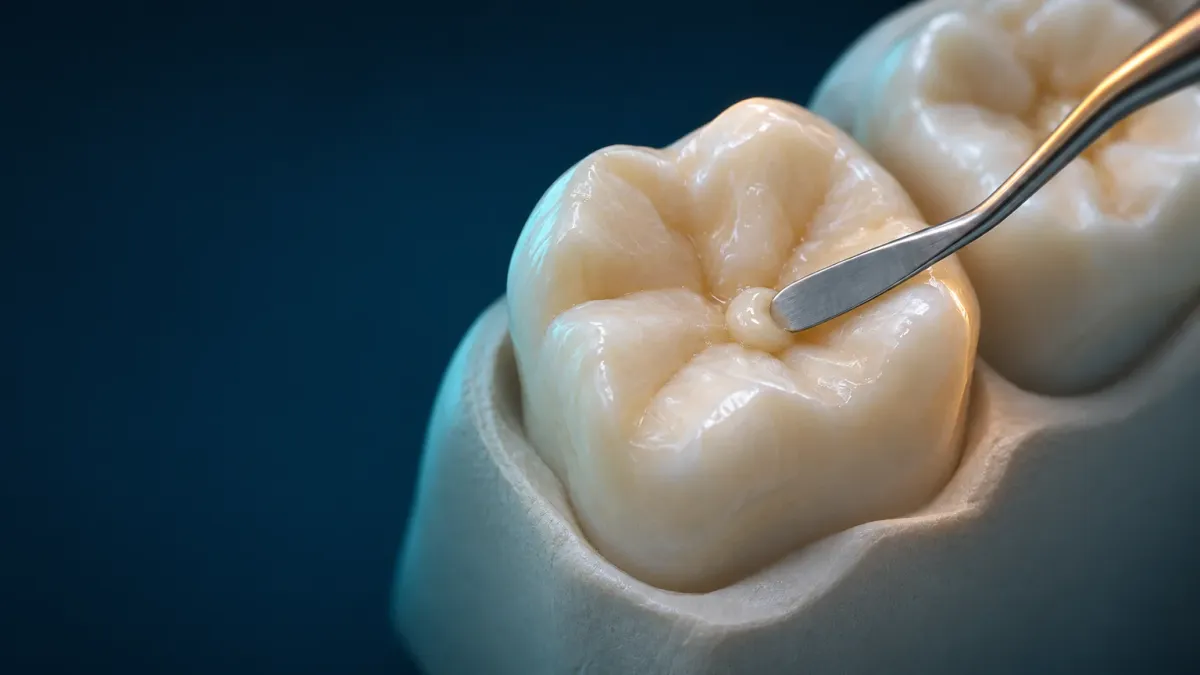
Before
Tell the dentist which tooth is bothering you and when you first noticed a change.
During
Ask how much of the tooth can be kept, which material is suitable and whether your care needs more than one visit.
After
Follow the care instructions you are given. Ask whom to contact if the tooth remains uncomfortable or the bite feels different.
Clinicians

FAQs
Will I need an X-ray?
Your clinician may recommend one if it would help show the extent of decay or damage. They’ll explain why it’s needed.
Can a filling repair a large break?
That depends on the amount and condition of the tooth that remains. Your dentist may discuss a partial repair or a crown if a filling would provide too little support.
Inlays & onlaysWhat if a filling comes out?
Contact the practice and tell us about any pain or swelling. The team can advise how soon you need an assessment.
Emergency dental careFurther reading
White composite fillings
Composite is a tooth-coloured material bonded into place. Your clinician shapes it to fit the tooth and checks how it meets the opposing teeth when you bite.
Glass ionomer fillings
Glass ionomer is a different material that bonds to the tooth and releases fluoride. It can be useful in selected areas. The location of the repair and the forces on it help determine which material to use.
If the tooth needs more support
For a larger break, an inlay, onlay or crown may be more suitable. Your dentist will explain how much of the tooth can be kept and discuss your options before treatment.