
Surgical or wisdom tooth extraction
Some wisdom teeth and other hard-to-reach teeth need a surgical approach for removal.
Call 0121 455 6974
Before
Share your medicines list and any medical conditions. Ask what preparation is needed for the type of appointment booked.
During
Ask the clinician to explain why removal is proposed, the alternatives, and what they will do to keep you comfortable.
After
Follow the written aftercare from the team and ask what symptoms should prompt you to contact the practice.
Technology
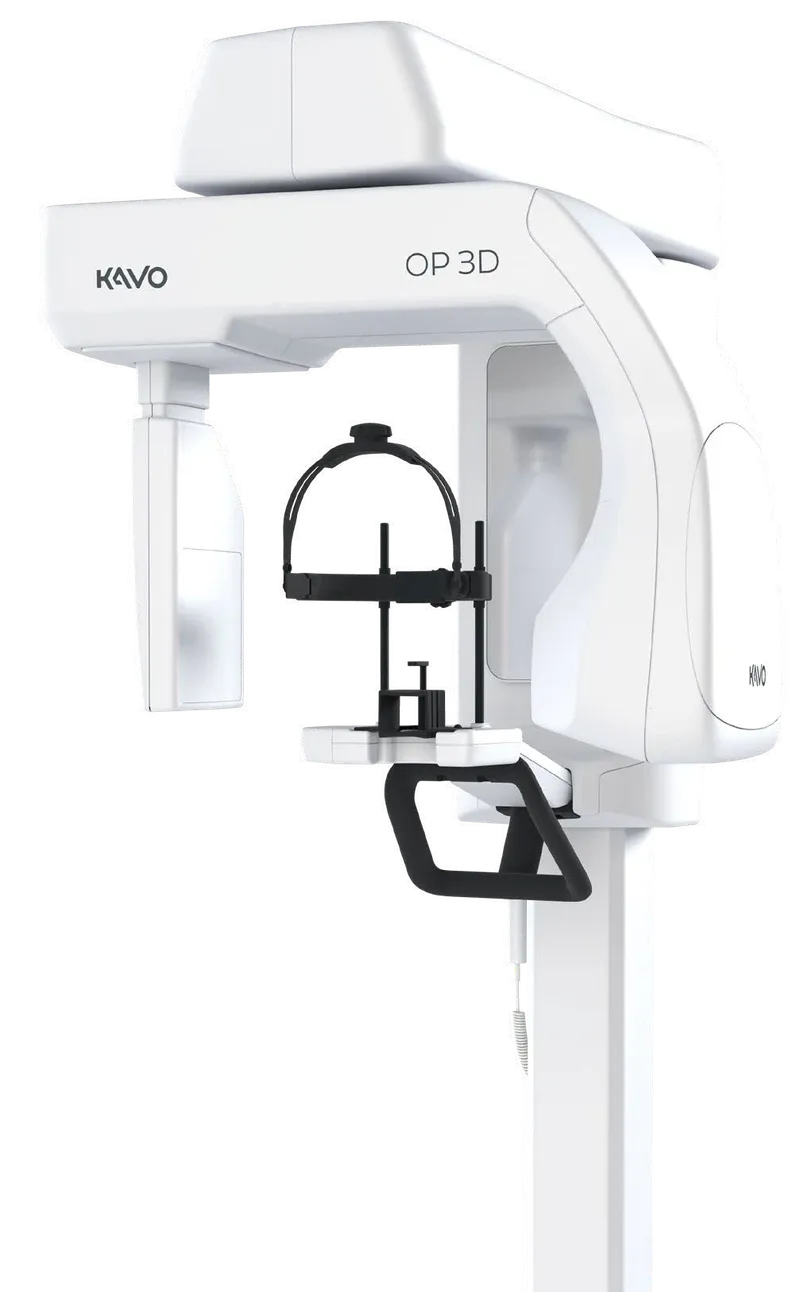
Panoramic X-ray
May give a wider view of the tooth and nearby jaw structures when that would help with planning.
FAQs
Does every impacted wisdom tooth need removal?
Your dentist may monitor a tooth that isn’t causing problems. Ask what findings would change the plan.
What if I’m worried about recovery?
Ask how to look after the area and when to call. Contact the dental team if pain or swelling is getting worse or you’re worried about bleeding.
Emergency dental careFurther reading
When removal may be needed
Wisdom teeth that are healthy and causing no problems can often be monitored. If there is repeated infection, decay or another problem, the dentist will assess the tooth and its position before discussing removal.
How surgical removal differs
The clinician may need to open the gum, remove a little bone or divide the tooth before removing it. For lower wisdom teeth, they can explain how close the tooth is to nearby nerves and what that means for your options.
Recovery
Soreness and swelling can follow surgery. Follow the team’s instructions and contact the practice if pain or swelling is getting worse, or if you have bleeding you’re worried about.
Our team can explain who will assess the tooth and who would carry out the extraction if needed.