
Crowns
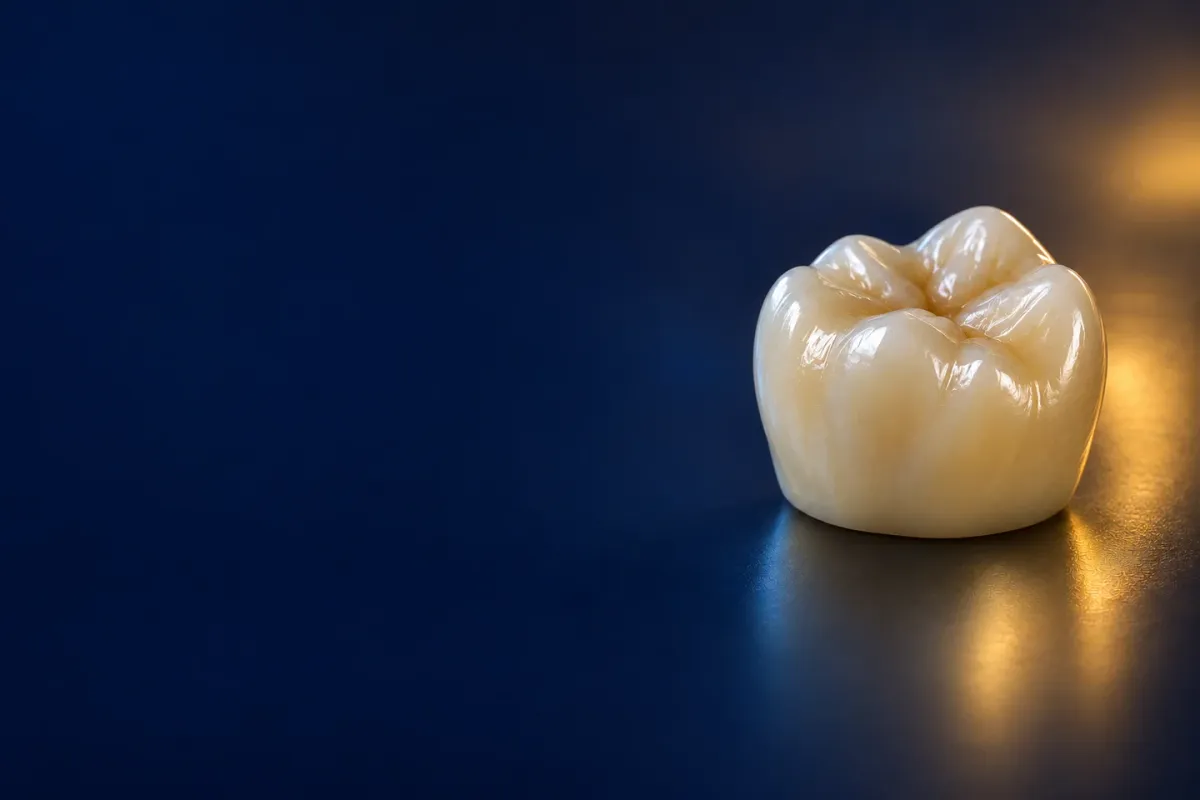
A crown covers the visible part of a tooth above the gum. It may be suitable when a tooth is badly damaged or needs more support than a filling can provide.
Before
After preparing the tooth, the team takes a scan or an impression. A temporary crown may protect the tooth while the laboratory makes the final one. In suitable cases a crown can be made and fitted at the practice on the same day.
During
Ask how much of the tooth can be kept, which material is suitable and whether your care needs more than one visit.
After
Follow the care instructions you are given. Ask whom to contact if the tooth remains uncomfortable or the bite feels different.
Technology

Intraoral scanner
Records the shape of your teeth and gums to help plan treatment.
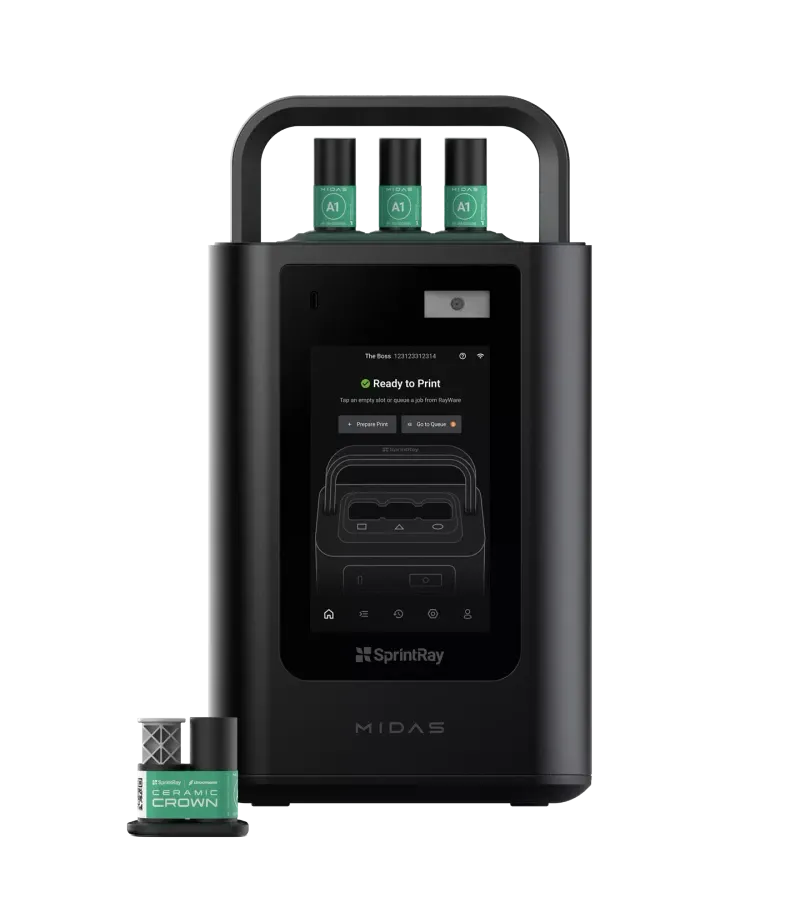
CAD/CAM digital dentistry
Uses digital design to plan and make selected restorations.
FAQs
What’s the difference between a crown and an onlay?
A crown covers the visible part of the tooth all the way round. An onlay covers only the part that needs repair, including one or more of the raised points you bite on.
Inlays & onlaysCan I have a crown in one visit?
Some crowns can be made at the practice on the day. The tooth, the material and the type of work needed determine whether that’s suitable.
Same-day crowns & repairsHow do I look after a crowned tooth?
Keep cleaning around the gum line and between the teeth. Tell your dentist if the crown feels loose or the tooth becomes painful.
Further reading
Deciding what to repair
Your dentist checks how much sound tooth remains and how you bite. A filling or an inlay or onlay may be suitable if enough of the tooth can be kept. A crown needs the tooth to be shaped before it can fit.
Choosing the material
Options include E.max ceramic, zirconia, porcelain bonded to metal and gold. Your dentist will discuss the tooth’s position, the strength needed and how visible the crown will be.
Your dentist will assess the tooth and explain the options, expected visits and costs before you decide.