
Composite bonding
Composite bonding adds a tooth-coloured resin to a tooth. It can reshape an edge, repair some small chips or close a small gap if your teeth and bite are suitable.
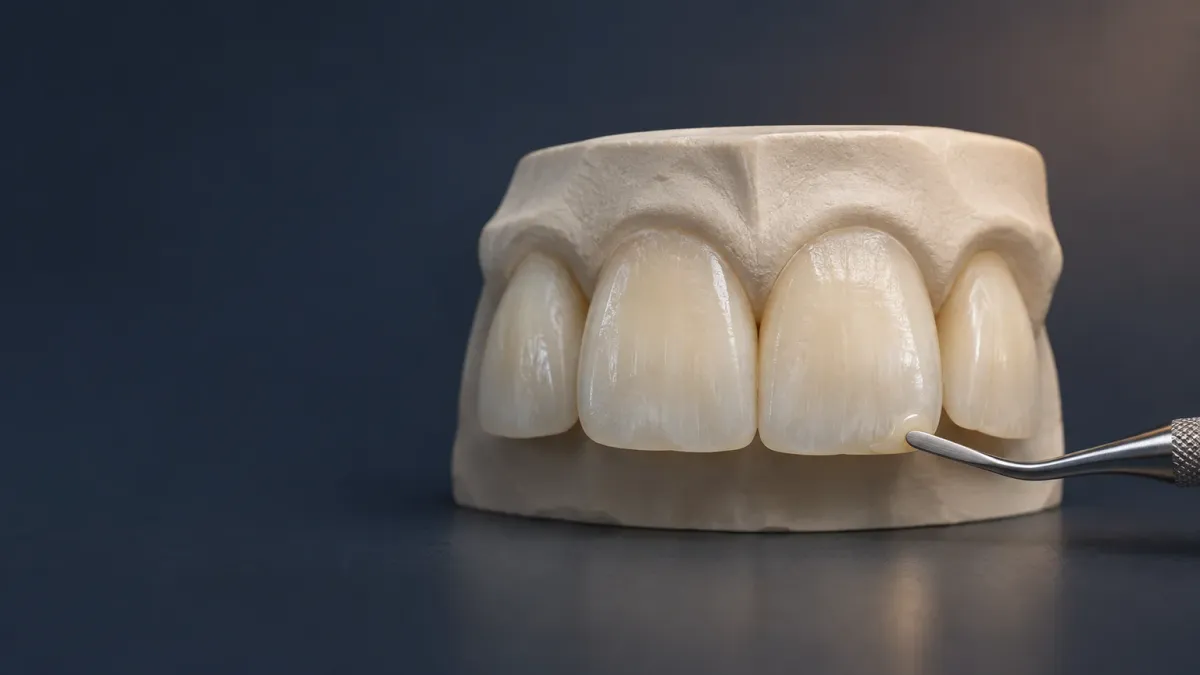
Before
Tell the dentist which tooth is bothering you and when you first noticed a change.
During
Ask how much of the tooth can be kept, which material is suitable and whether your care needs more than one visit.
After
Follow the care instructions you are given. Ask whom to contact if the tooth remains uncomfortable or the bite feels different.
Technology
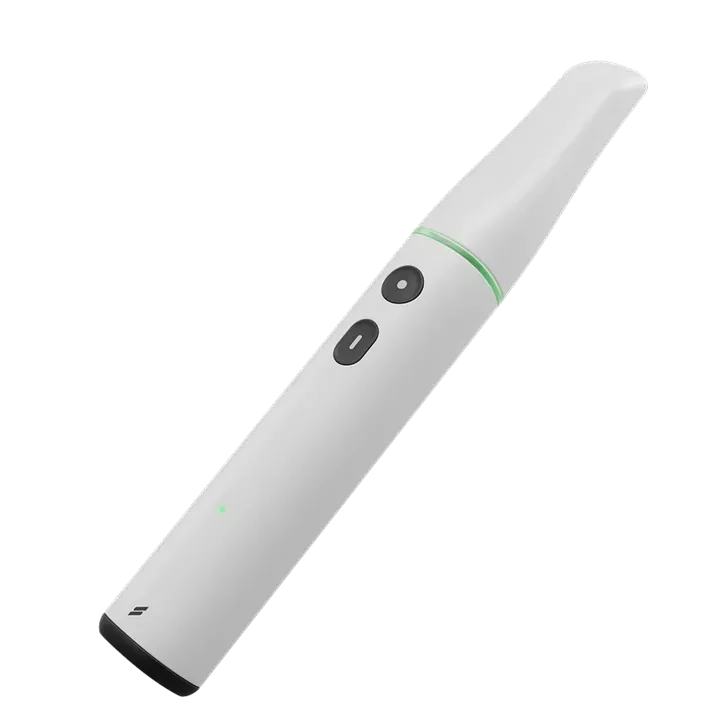
Intraoral scanner
Records tooth shape and bite to help the dentist plan changes.
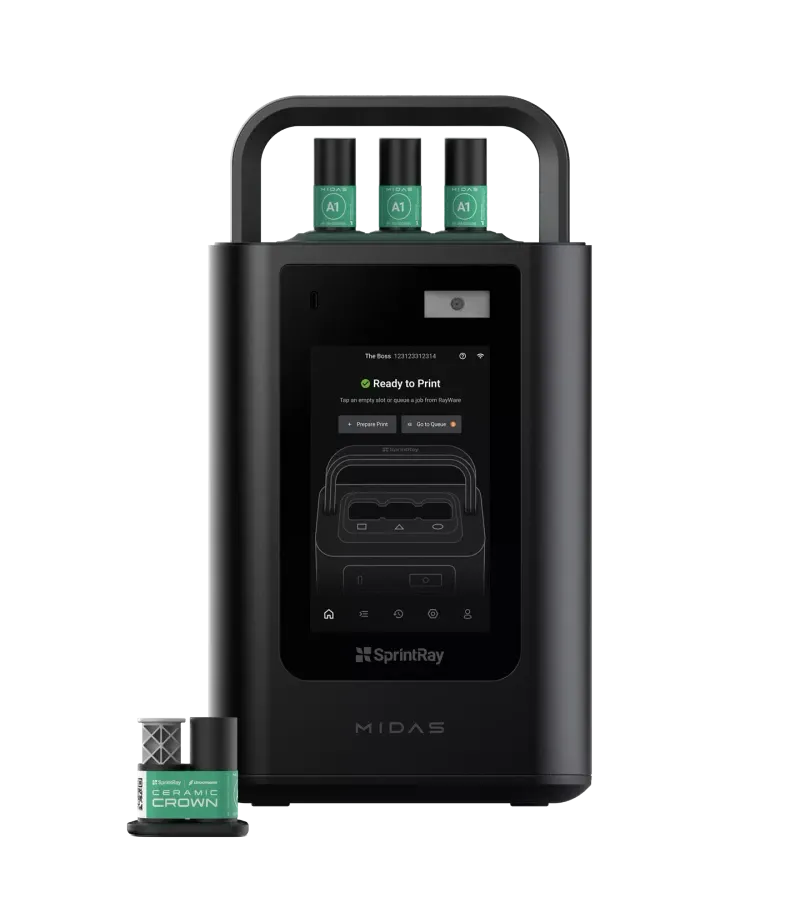
CAD/CAM digital dentistry
Digital design and 3D printing can support planning and guide the shape of the bonding in suitable cases.
FAQs
Can bonding close any gap?
Suitability depends on the size of the gap, tooth shape and bite. An orthodontic assessment may be useful if tooth position is the main concern.
Teeth straighteningWhat if bonding chips?
Ask the practice to assess it. Whether it can be repaired depends on the extent of the damage and how the teeth meet.
Further reading
Deciding what bonding can change
Your dentist checks how the teeth meet and talks through the shape and shade you want. They can explain what can be achieved with bonding and when a veneer or orthodontic treatment may suit you better.
Fitting and looking after it
The resin is shaped and polished at the tooth. It can wear, chip or stain over time. Ask how to care for it and when to get it checked.
Tooth-coloured composite shaped directly on suitable teeth to alter or restore their appearance.
Your dentist can assess your bite and discuss who would carry out the treatment.