
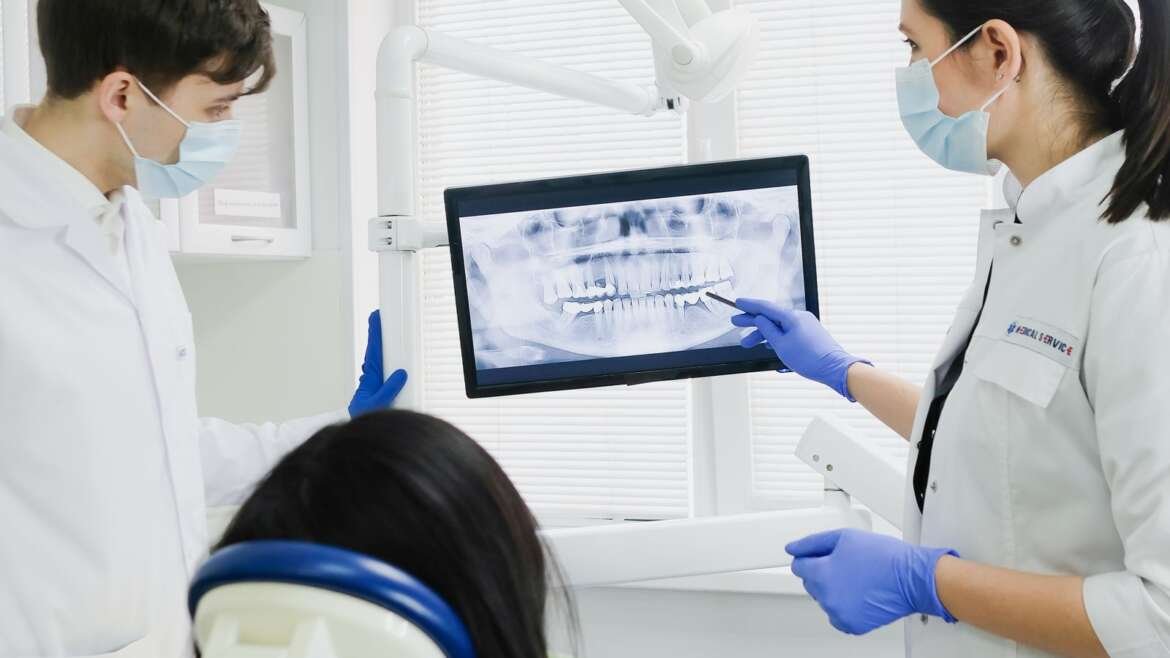
Toothache genuinely does feel worse at night, and there is a physiological reason for it. Lying flat increases blood flow to the head, which raises pressure inside an already inflamed tooth, while the absence of daytime distraction makes the pain more noticeable. Night-time dental pain is common and usually treatable, but pain severe enough to wake you is a signal that the nerve is involved, which means emergency dental care should be arranged rather than waited out.
Painkillers can get you through the night. They cannot treat the cause, and pain that responds only to maximum doses is a warning rather than a solution.
Where the pulp inside the tooth is irreversibly inflamed, root canal therapy removes the infected tissue and usually relieves the pain within a day of the first appointment.
If the tooth is fractured beyond repair or infection has destroyed the supporting bone, extraction or oral surgery may be the safer route, with replacement planned afterwards.
As a trusted private practice in Edgbaston, Highfield Dental Clinic reserves time for urgent problems so that acute pain is assessed quickly rather than queued.
If you are in pain now, book an appointment online or reach the team through the contact page.
Why Dental Pain Intensifies at Night
- Postural blood flow. Lying down increases venous pressure in the head and neck. Inside a rigid pulp chamber there is nowhere for that extra pressure to go, so throbbing intensifies.
- Fewer distractions. Pain perception is strongly modulated by attention. Without daytime activity, the same signal feels stronger.
- Circadian changes. Natural cortisol levels, which have an anti-inflammatory effect, fall overnight.
- Reduced saliva flow. Salivary flow drops during sleep, allowing bacterial activity and acidity to rise.
- Night-time clenching. Grinding loads an already sensitive tooth repeatedly for hours.
- Analgesic timing. Pain relief taken in the evening wears off during the night.
What the Type of Pain Tells You
Definition Guide
- Sharp, brief pain with cold: reversible pulpitis or exposed dentine. The nerve is irritated but still healthy.
- Lingering throbbing after a trigger: irreversible pulpitis. The nerve is inflamed beyond recovery and needs treatment.
- Spontaneous pain that wakes you: advanced pulpitis, often the classic night-time toothache.
- Pain on biting, relieved by keeping teeth apart: periapical infection or a cracked tooth.
- Deep, constant ache with swelling: a dental abscess, which needs urgent care.
- Pressure and pain in the upper back teeth with nasal congestion: possibly sinus origin rather than dental.
- Dull ache across several lower teeth: may relate to muscle or joint problems rather than a single tooth.
Is Night-Time Toothache Serious?
Pain that wakes you should always be interpreted as significant, even if it settles by morning.
- Not urgent but needs an appointment: brief cold sensitivity, mild ache after eating, tenderness around a wisdom tooth that is easing.
- Needs prompt care within days: lingering pain after hot or cold, pain on biting one tooth, a tooth that has darkened.
- Needs same-day care: spontaneous severe pain, facial swelling, a gum blister discharging pus, pain not controlled by usual analgesia.
- Needs immediate medical attention: swelling spreading toward the eye or under the jaw, difficulty swallowing or breathing, restricted mouth opening, fever with facial swelling.
The last category is not a dental inconvenience. Spreading facial infection can become dangerous and requires urgent assessment without delay.
Practical Steps to Get Through the Night
- Elevate your head. Sleep propped on extra pillows to reduce pressure in the head.
- Take pain relief as directed. An anti-inflammatory such as ibuprofen, where medically suitable for you, addresses the inflammatory component. Follow the packet instructions and any advice from your pharmacist or doctor.
- Rinse with warm salt water. A teaspoon of salt in a cup of warm water, held gently over the area, helps with gum-related discomfort.
- Apply a cold compress externally. Twenty minutes on and twenty off over the cheek for swelling.
- Avoid extremes of temperature in food and drink.
- Keep the area clean. Brush gently rather than avoiding the tooth entirely, since trapped debris makes things worse.
- Do not place aspirin directly on the gum. It causes a chemical burn.
- Avoid heat over the face if there is any swelling, as warmth can encourage infection to spread.
These measures buy time. None of them treat the underlying cause.
What Causes the Pain in the First Place
Deep Decay
Bacteria reach the pulp through enamel and dentine, producing inflammation inside a chamber that cannot expand.
Cracked Tooth
A fracture flexes under biting force, causing sharp pain on release. Cracks are notoriously difficult to see and often need magnification or transillumination to detect.
Dental Abscess
Infection collects at the root tip or in the gum, generating constant pressure and pain. Swelling may or may not be visible externally.
Pericoronitis
Inflammation around a partially erupted wisdom tooth, often worse at night and frequently accompanied by difficulty opening the mouth.
Failing Restoration
A leaking filling or crown allows bacteria beneath it, producing pain that seems to come from nowhere.
Bruxism
Sustained clenching inflames the ligament around the tooth, causing generalised soreness that is worst on waking.
Comparison: Waiting Versus Being Seen
- Waiting: pain may settle temporarily because the nerve dies, while bacteria continue advancing into bone.
- Being seen early: a simple filling or a straightforward root canal is often all that is needed.
- Waiting with swelling: risk of spreading infection, requiring more extensive treatment.
- Being seen early with swelling: drainage, appropriate management, and a far more comfortable recovery.
Myths About Toothache
Myth: if the pain stops, the problem has resolved. Pain frequently stops because the nerve has died. The infection remains and continues to spread into the surrounding bone silently.
Myth: antibiotics will cure a toothache. Antibiotics can control spreading infection but cannot remove the source, which is inside the tooth. Definitive treatment is always mechanical, either root canal therapy or extraction.
Myth: clove oil is a treatment. It has a mild topical numbing effect at best and can irritate soft tissue. It is a very temporary comfort measure, not a remedy.
Myth: emergency dental treatment is agonising. Effective local anaesthesia works reliably even on acutely inflamed teeth, using supplementary techniques where needed. Most patients report immediate relief afterwards.
Myth: it is embarrassing to attend after avoiding the dentist for years. Clinicians see this constantly and it changes nothing about the care you receive. Dental anxiety is a recognised condition, managed with pacing, clear explanation, and gentle technique.
Preventing the Next Episode
- Attend routine examinations so decay is found on radiographs before it reaches the nerve.
- Treat small cavities promptly rather than waiting for symptoms.
- Wear a night guard if you clench or grind.
- Replace cracked or worn restorations before bacteria track beneath them.
- Report any tooth that has been knocked, even if it feels normal at the time.
- Maintain interdental cleaning, since decay between teeth is the most commonly missed.
Urgent Care in Edgbaston, Birmingham
Highfield Dental Clinic is a trusted private dental practice in Edgbaston, Birmingham, offering an extensive range of specialised treatments in a professional and caring environment. The clinic accepts new private patients and provides emergency dental care for urgent needs, alongside check-ups and hygiene, root canal therapy, extractions and oral surgery, dental implants, orthodontics including Invisalign, teeth whitening, cosmetic dentistry and smile makeovers, mouth cancer screening, children’s dental care, and jaw problem management.
The family-friendly, patient-centred approach serves Edgbaston, Birmingham, and surrounding areas. When people search for an emergency dentist in Birmingham or a dental clinic in Birmingham at short notice, what matters most is being listened to quickly and diagnosed accurately.
The practice is at 2 Highfield Road, Edgbaston, Birmingham, B15 3ED. Call 0121 455 6974 or email reception@sagroups.co.uk, and further details are available at https://highfielddental.co.uk/.
Acute dental pain requires diagnosis by a professional registered with the General Dental Council, and any spreading facial swelling needs urgent medical or dental assessment without delay. This article is general guidance only and does not replace clinical examination, radiographs, or planned follow-up care.
Frequently Asked Questions
Why does my toothache disappear during the day and return at night?
Position and attention both play a part. Upright posture reduces pressure in the pulp chamber and daytime activity distracts from the pain signal, so the same level of inflammation feels far worse once you lie down in a quiet room.
How long can I safely leave a toothache?
Pain lasting more than a day or two should be assessed, and any pain accompanied by swelling needs same-day attention. Delay allows infection to progress from the tooth into the surrounding bone, which makes treatment more involved.
Will antibiotics stop my toothache?
They may reduce swelling and pain temporarily where infection has spread, but they cannot reach bacteria inside the dead pulp space. Definitive treatment requires either root canal therapy or removal of the tooth.
Can a sinus infection feel like toothache?
Yes. Upper back teeth sit close to the maxillary sinus, so sinusitis can produce pressure and tenderness in several teeth at once. Dental pain from a single tooth is usually more localised and responds differently to temperature.
Is it normal for a tooth to hurt after a filling?
Mild sensitivity for a few days to a couple of weeks is common, particularly after a deep restoration. Sharp pain on biting often means the filling sits slightly high and is resolved with a quick adjustment, so it is worth reporting.
Conclusion
Toothache worsens at night because lying flat increases pressure inside an inflamed tooth. Home measures can make the night bearable, but pain that wakes you indicates nerve involvement and needs professional diagnosis. Prompt assessment usually means simpler treatment and faster relief.
