
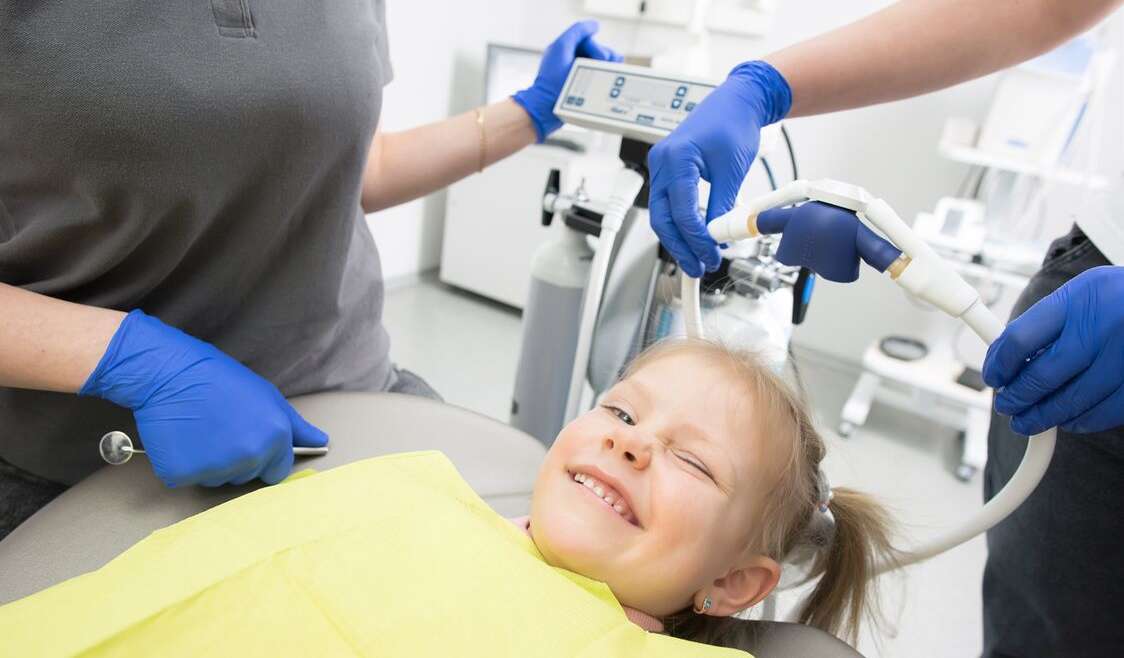
Dental fear is overcome through a combination of gradual exposure, clear communication with your dental team, agreed stop signals, and where needed, relaxation or sedation support. Anxiety about dental visits is extremely common, affecting a substantial proportion of adults, and in most cases it is entirely manageable rather than permanent. It becomes serious only when avoidance leads to untreated disease, which is why an initial no-treatment conversation at Highfield Dental Clinic is often the most useful first step.
The first thing worth saying is that dental anxiety is not irrational or embarrassing. It usually has a traceable origin, and clinicians see it every single day.
Starting small helps. A gentle dental hygiene appointment involves no drilling and rebuilds confidence quickly.
Knowing exactly what is available also reduces uncertainty, and the full range on the our services page can be reviewed calmly at home.
Many anxious patients fear root canal therapy most of all, and learning what it actually involves usually reduces that fear considerably.
When you feel ready, you can book through the appointment page or speak to the team first via contact.
Where Dental Fear Comes From
Understanding the source helps you choose the right strategy, because different origins respond to different approaches.
Previous Negative Experience
A painful appointment, often in childhood, when anaesthetic techniques and pain management were less refined.
Loss of Control
Lying back, unable to speak or see what is happening, is a significant trigger for many people independent of pain.
Fear of Pain
Frequently based on anticipated rather than experienced pain, and often shaped by stories from others.
Embarrassment
Worry about being judged for the condition of the teeth or for time away from the dentist. This is one of the strongest barriers and one of the most misplaced.
Sensory Triggers
The sound of the drill, clinical smells and bright lights can trigger anxiety before treatment even begins.
Generalised Anxiety or Past Trauma
For some patients, dental care intersects with wider anxiety, claustrophobia or a history of trauma. This deserves a slower, more structured approach.
A Step-by-Step Plan for Getting Back in the Chair
- Make contact by phone or email first. Explain that you are anxious before you attend. This changes how the appointment is planned.
- Book a consultation only. Ask for an appointment where nothing is done except talking and looking. No instruments, no treatment.
- Visit the practice beforehand. Sitting in the waiting room for ten minutes without an appointment can reduce anticipatory anxiety significantly.
- Agree a stop signal. A raised hand that reliably pauses treatment restores the sense of control that most anxious patients are missing.
- Ask for narration. Some people prefer to know each step in advance. Others prefer not to. Say which you are.
- Start with the simplest treatment. A scale and polish or a small filling builds evidence that the experience is tolerable.
- Book short appointments. Two 30-minute visits are often easier than one 60-minute visit.
- Choose your time of day. Morning appointments prevent a whole day of building dread.
- Bring support. Headphones, music, a stress ball, or a companion in the room all help.
- Discuss sedation if needed. It is a legitimate option, not a failure.
Techniques That Genuinely Help
Controlled Breathing
Breathe in for four counts, hold for four, out for six. Slower exhalation activates the parasympathetic nervous system and reduces the physical symptoms of panic.
Progressive Muscle Relaxation
Tense and release each muscle group from feet upward before and during the appointment. It interrupts the tension cycle.
Distraction
Music, podcasts or audiobooks through headphones reduce the impact of clinical sounds, which are often the strongest trigger.
Cognitive Reframing
Replace catastrophic predictions with specific, factual ones. Instead of thinking the appointment will be unbearable, think about the actual duration and the fact that anaesthetic works.
Grounding
Focus on five things you can feel or hear. This anchors attention away from anticipatory thoughts.
Comparing Support Options
- Behavioural techniques alone: no medication, no recovery time, effective for mild to moderate anxiety, requires practice.
- Local anaesthetic with strong communication: suitable for most patients, fully alert, no escort needed.
- Inhalation sedation: mild relaxation, wears off quickly, you remain conscious and responsive.
- Oral or intravenous sedation: deeper relaxation for severe anxiety, requires an escort and recovery time, discussed case by case.
- Psychological therapy: cognitive behavioural approaches have strong evidence for dental phobia and can produce lasting change.
Myths That Keep People Away
Myth: The dentist will judge me. Clinicians see every level of dental condition. The overwhelming professional response to someone returning after a long absence is relief, not criticism.
Myth: It will hurt no matter what. Modern local anaesthesia is highly effective. Topical gel before injection makes even the initial injection far more comfortable.
Myth: I have left it too long. Almost nothing is beyond help. Treatment plans can be phased over months to make both the clinical work and the emotional load manageable.
Myth: Sedation means being unconscious. Conscious sedation keeps you awake and able to respond. General anaesthesia is a separate, rarely needed option.
Myth: Anxiety means I cannot have complex treatment. Anxious patients complete implants, orthodontics and full smile makeovers routinely with the right pacing.
Why Avoidance Costs More Than the Appointment
- Small cavities become root canals or extractions.
- Early gum inflammation becomes irreversible bone loss.
- Treatment becomes longer, more complex and more expensive.
- Oral cancer screening is missed, and early detection matters greatly.
- Anxiety itself intensifies with each year of avoidance.
Breaking the cycle early is far easier than breaking it late, and even one gentle appointment often changes the pattern.
A Calm, Patient-Centred Practice in Edgbaston
Highfield Dental Clinic is a trusted private practice at 2 Highfield Road, Edgbaston, Birmingham, B15 3ED, welcoming new private patients into a professional and caring environment designed to reduce anxiety rather than amplify it.
You can speak to the team on 0121 455 6974 or email reception@sagroups.co.uk to explain your concerns before booking anything. Emergency dental care is also available if pain is what has finally prompted you to get in touch.
Services include check-ups and hygiene, orthodontics including Invisalign, extractions and oral surgery, root canal therapy, dental implants, teeth whitening, cosmetic dentistry and smile makeovers, mouth cancer screening, children’s dental care and jaw problem management. Free orthodontic consultations make it easy to explore options without commitment.
The family-friendly approach serves Edgbaston, Birmingham and surrounding areas, which suits patients looking for a Family Dentist in Edgbaston as well as those wanting a Cosmetic Dentist in Birmingham for longer-term goals such as Invisalign Birmingham treatment or Best Teeth Whitening Birmingham results.
All clinicians are qualified and registered with the General Dental Council (GDC), which sets standards for consent, communication and clinical care. When comparing a Dental Clinic in Birmingham or looking for the Best Dental Clinic in Edgbaston, ask specifically how the practice supports nervous patients.
Frequently Asked Questions
Can I tell the dentist I am scared without feeling silly?
Absolutely. It is one of the most useful things you can say, because it changes the pace, language and planning of your appointment immediately.
Will I be able to stop treatment partway through?
Yes. An agreed stop signal is standard practice, and treatment can be paused or rescheduled at any point.
Is sedation safe?
Conscious sedation is well established and delivered with monitoring by trained clinicians. Suitability depends on your medical history, which is reviewed beforehand.
What if I have not been to a dentist in ten years?
That is far more common than you might think. The first visit is usually an examination and a plan, not immediate treatment, and work can be staged over time.
Do children inherit dental anxiety?
Children often pick up cues from adults. Speaking positively about appointments and introducing children early to a familiar environment reduces the likelihood considerably.
Conclusion
Dental fear is a normal response that responds well to control, communication and gradual exposure rather than willpower alone. Start with a conversation, agree a stop signal, and build confidence through simple appointments before tackling anything complex. Every visit you complete makes the next one easier, and avoiding care is the only option that reliably makes things worse.
If dental anxiety is significantly affecting your wellbeing, speak to your dental team or GP. This article offers general support information, not psychological or medical treatment.
