
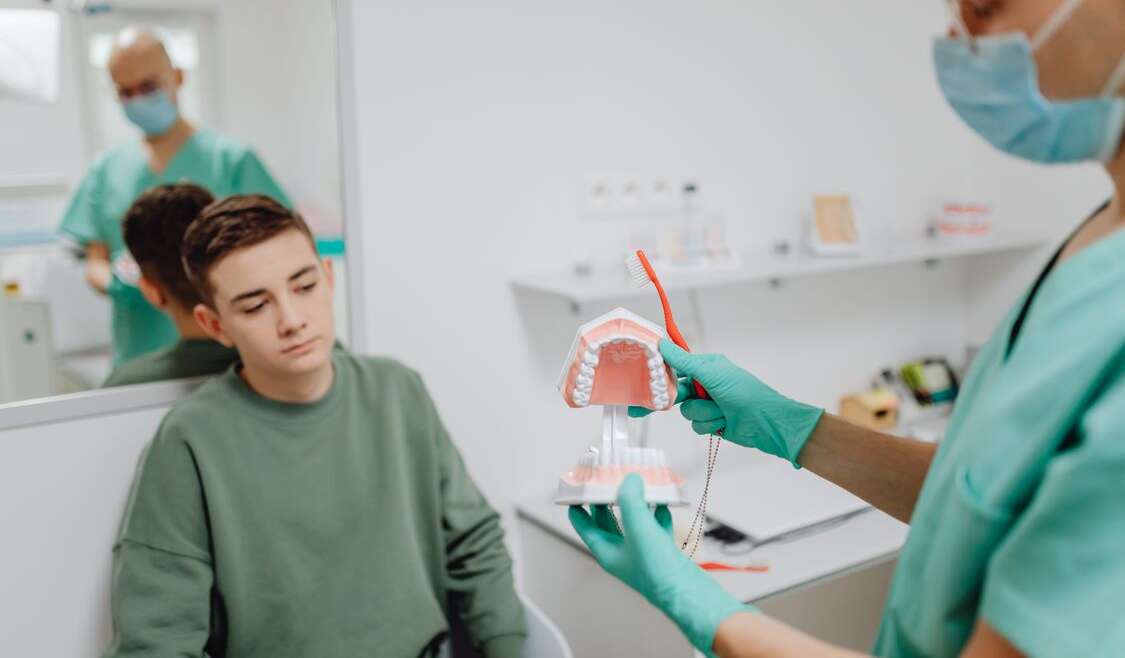
Modern root canal treatment is not painful for the vast majority of patients, because the tooth is fully anaesthetised throughout and most people report the appointment feels similar to having a large filling. The severe pain people associate with root canals is almost always the toothache that comes before treatment, not the procedure itself. Mild tenderness for two to four days afterwards is normal and temporary, while worsening pain after that point is not and should be reviewed through root canal therapy follow-up.
The reputation is decades out of date. Rotary instrumentation, better anaesthetic techniques and improved irrigation have transformed the experience since the stories that shaped it were told.
Choosing a well-equipped Dentist in Edgbaston makes a measurable difference to comfort, and Highfield Dental Clinic plans these appointments with enough time that nothing is rushed.
If pain has already become severe, emergency dental care can relieve pressure quickly, often before the full treatment begins.
Anxiety is a legitimate part of this conversation, and the clinic’s approach to nervous patients is reflected across its services.
When a tooth cannot be saved, honest discussion about extractions and oral surgery follows, and you can arrange a consultation via the appointment page.
What Actually Happens During a Root Canal
Root canal treatment, properly called endodontic therapy, removes inflamed or infected pulp tissue from inside the tooth. The canal system is then shaped, disinfected and sealed to prevent bacteria returning.
The sequence is predictable:
- Diagnosis using pulp testing, percussion testing and radiographs.
- Local anaesthetic administered and profound numbness confirmed.
- A rubber dam placed to isolate the tooth and keep the field clean.
- An access cavity created through the crown of the tooth.
- Canals located, measured with an apex locator and shaped with fine instruments.
- Irrigation with antibacterial solutions to dissolve tissue and disrupt biofilm.
- Drying and filling of the canals, usually with gutta-percha and sealer.
- Placement of a core filling, followed later by a crown on back teeth.
Pain During the Procedure: What to Expect
With effective anaesthesia you should feel pressure and vibration but no sharpness. The sensations patients most commonly describe are:
- The initial injection, which is the least comfortable moment and lasts seconds.
- A feeling of pressure as instruments work within the canal.
- The rubber dam clamp, which can feel snug on the gum.
- Jaw fatigue from keeping the mouth open, easily managed with a bite prop and breaks.
Teeth with acute infection can be harder to numb because inflamed tissue is more acidic. Supplementary techniques such as intraligamentary or intraosseous anaesthesia solve this in almost every case. Tell your clinician immediately if you feel anything sharp.
Pain Afterwards: The Realistic Timeline
Day of Treatment
Numbness lasts two to five hours. Taking pain relief before it wears off keeps you ahead of the discomfort.
Days 1 to 3
Tenderness when biting is common, caused by inflammation of the ligament around the root tip. Usually rated mild to moderate.
Days 4 to 7
Steady improvement. Most patients need no pain relief by the end of this week.
Week 2 Onward
The tooth should feel normal. Occasional mild awareness when chewing hard food can persist briefly.
Root Canal Pain Compared With Other Procedures
- Large filling: similar experience during, less soreness afterwards.
- Simple extraction: often more post-operative discomfort than a root canal.
- Surgical extraction: considerably more swelling and soreness.
- Deep gum cleaning: comparable soreness, spread across more of the mouth.
- Untreated abscess: far more painful than any of the above, which is the honest comparison most patients should be making.
What Makes Treatment More Uncomfortable?
- Acute infection or an abscess present at the start.
- Complex molar anatomy requiring longer appointments.
- Retreatment of a previously filled tooth.
- High anxiety, which lowers pain threshold and increases muscle tension.
- Delaying treatment until the tooth is severely inflamed.
- Skipping the first dose of pain relief after the appointment.
Practical Ways to Stay Comfortable
Before
- Eat beforehand so you are not treated on an empty stomach.
- Ask for a morning appointment if anxiety builds through the day.
- Agree a clear stop signal with your clinician.
- Ask about anti-inflammatory pain relief taken an hour before, if suitable for you.
After
- Take pain relief regularly for the first 48 hours rather than reactively.
- Avoid chewing on the treated tooth until the permanent restoration is placed.
- Use warm salt water rinses if the gum feels tender.
- Contact the clinic if pain increases rather than decreases after day three.
Myths About Root Canal Treatment
Myth: Root canals are agonising. Multiple patient surveys show that people who have actually had one rate it as no worse than a filling. The dread is generally worse than the reality.
Myth: It is better to just extract the tooth. Extraction is quicker but starts a cascade of bone loss, drifting and the need for replacement. Preserving natural tooth structure is usually the better long-term option.
Myth: Root canals cause systemic disease. This claim originates from discredited early twentieth century research and is not supported by modern evidence.
Myth: A root treated tooth does not need a crown. Back teeth lose considerable structure and become brittle. Cuspal coverage significantly improves survival.
Myth: If the pain stops, treatment is unnecessary. Pain often ceases when the nerve dies. Infection then progresses silently into the bone.
Signs You Might Need Root Canal Treatment
- Lingering pain after hot or cold, lasting more than 15 seconds.
- Spontaneous throbbing, especially at night.
- Pain on biting or when the tooth is tapped.
- A gum boil or small draining spot near the root.
- Darkening of a single tooth.
- Facial swelling associated with a specific tooth, which requires urgent attention.
Compassionate Endodontic Care in Edgbaston
Highfield Dental Clinic is a trusted private practice at 2 Highfield Road, Edgbaston, Birmingham, B15 3ED, welcoming new private patients and offering an extensive range of specialist treatments in a calm, professional environment.
Appointments can be arranged on 0121 455 6974 or by email at reception@sagroups.co.uk. Urgent problems are accommodated through emergency dental care, which matters when patients are searching for an Emergency Dentist in Birmingham rather than a routine slot.
The clinic provides check-ups and hygiene, orthodontics including Invisalign, extractions and oral surgery, root canal therapy, dental implants, teeth whitening, cosmetic dentistry and smile makeovers, mouth cancer screening, children’s dental care and jaw problem management. Families often use the same practice as their Family Dentist in Edgbaston and later as a Cosmetic Dentist in Birmingham.
Every clinician is qualified and registered with the General Dental Council (GDC), which governs training, indemnity and professional conduct. Whether you are comparing a Dental Clinic in Birmingham, looking for the Best Dental Clinic in Edgbaston, or seeking a Private Dentist in Edgbaston for a second opinion, GDC registration is the first thing to confirm.
Frequently Asked Questions
How long does a root canal appointment take?
Front teeth with a single canal often take 45 to 60 minutes. Molars with three or four canals typically need 90 minutes or two visits.
Will I need antibiotics?
Usually not. Antibiotics are reserved for spreading infection, fever or systemic involvement. Removing the infected tissue is the definitive treatment.
Can I drive home afterwards?
Yes, if only local anaesthetic was used. If sedation was provided, you will need someone to accompany you home.
Why does my tooth still feel tender a week later?
Mild residual tenderness while the ligament settles is common and can last one to two weeks. Increasing or throbbing pain is different and should be reviewed.
How successful is root canal treatment?
Success rates are generally reported between 85 and 95 percent, and are highest when a well-sealed permanent restoration is placed promptly afterwards.
Conclusion
Root canal treatment is a comfortable, well-anaesthetised procedure that relieves pain rather than causing it. Expect mild tenderness for a few days, improving steadily, with normal function returning within a couple of weeks. If a tooth is aching, seeking assessment early almost always makes treatment easier and more comfortable than waiting.
This article provides general information. Diagnosis and treatment planning must be carried out by a GDC-registered dental professional following clinical examination.
