
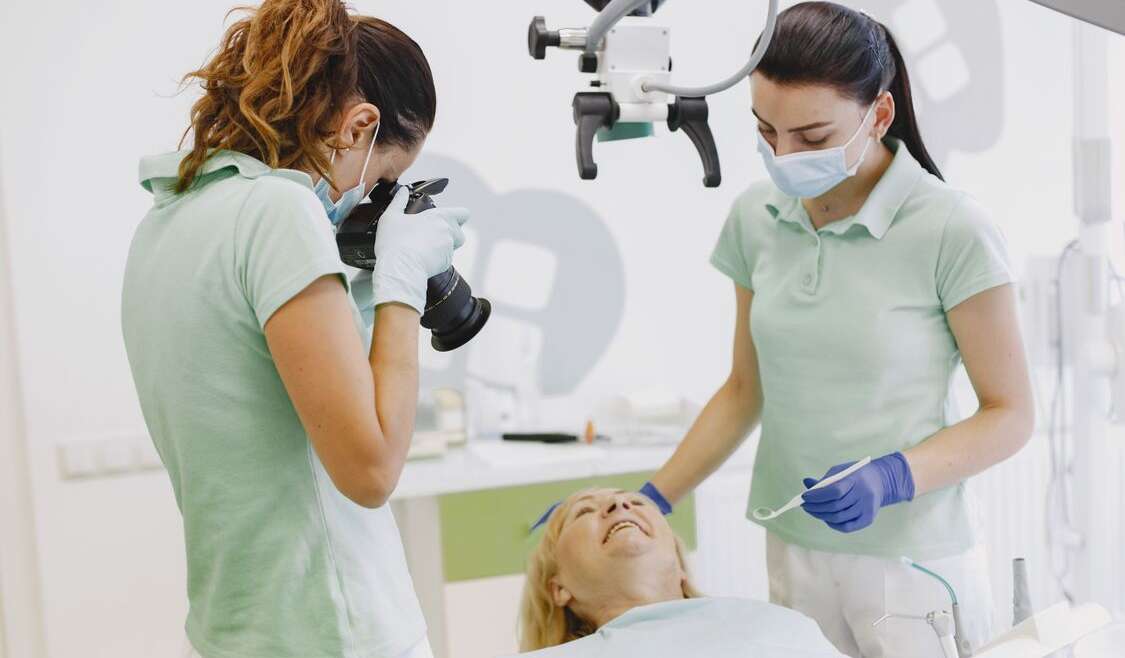
A genuine dental emergency is any situation involving uncontrolled bleeding, facial swelling, trauma to the teeth or jaw, or pain that cannot be managed with over-the-counter relief, and these need same-day attention. Most other dental problems, including a lost filling or a chipped tooth without pain, are urgent but not emergencies and can usually wait a few days. Knowing which category you are in saves time and worry, and dedicated emergency dental care exists precisely for the situations that genuinely cannot wait.
Emergencies rarely happen at convenient times, so the practical question is what to do in the first hour and who to call.
The short answer is to contact a local practice directly rather than waiting for a routine booking system. Highfield Dental Clinic in Edgbaston keeps capacity for acute cases alongside planned treatment.
Many emergencies turn out to be pulpal infections, which are resolved with root canal therapy rather than removal.
Where a tooth is beyond saving, prompt extractions and oral surgery bring immediate relief.
You can see the full treatment range on the our services page, or reach the team directly through contact.
What Counts as a Dental Emergency?
Seek Same-Day Care
- Facial or neck swelling, especially if spreading or affecting the eye.
- Difficulty swallowing, breathing or opening the mouth.
- Fever alongside dental pain.
- A knocked-out adult tooth.
- Bleeding that will not stop after 20 minutes of firm pressure.
- Trauma to the jaw or a suspected fracture.
- Severe pain unrelieved by maximum recommended pain relief.
Urgent, But Usually Within a Few Days
- A chipped or cracked tooth without severe pain.
- A lost filling, crown or veneer.
- A broken denture.
- Persistent but manageable toothache.
- An orthodontic wire causing irritation.
- Sensitivity that has recently worsened.
Routine
- Mild sensitivity to cold.
- Cosmetic concerns.
- Occasional bleeding when brushing.
- Overdue check-ups.
What to Do in the First Hour
Knocked-Out Adult Tooth
- Pick the tooth up by the crown, never the root.
- If dirty, rinse briefly in milk or saline, not tap water, and do not scrub.
- Reimplant it into the socket immediately if you can, and bite gently on a clean cloth.
- If reimplantation is not possible, store it in milk or inside the cheek.
- Get to a dentist within 30 to 60 minutes. Time is the single biggest factor in survival of the tooth.
Baby teeth should not be reimplanted, as this can damage the developing adult tooth underneath.
Dental Abscess or Facial Swelling
- Contact a dentist immediately.
- Rinse with warm salt water.
- Take pain relief as directed on the packaging.
- Do not apply heat to the outside of the face.
- Attend hospital urgently if swelling affects your eye, throat or breathing.
Broken or Chipped Tooth
- Rinse the mouth with warm water.
- Save any fragments in milk.
- Cover a sharp edge with orthodontic wax or sugar-free gum.
- Avoid chewing on that side.
Lost Filling or Crown
- Keep the crown safe and clean.
- Use a pharmacy temporary cement or dental wax to protect the tooth.
- Never use household glue.
- Book an appointment within a few days.
Uncontrolled Bleeding After an Extraction
- Roll clean gauze into a firm pad and bite down for 20 minutes without checking.
- Sit upright and stay calm.
- Avoid rinsing, spitting and hot drinks.
- If bleeding continues after two attempts, seek urgent care.
How to Judge an Emergency Dental Service
Not all urgent appointments are equal. When you call, useful questions include:
- How quickly can I be seen today?
- Will the appointment provide definitive treatment or only pain relief?
- Are radiographs available on site?
- Is the clinician GDC registered, and can I check the number?
- What happens if follow-up treatment is needed?
- Is there an out-of-hours contact route?
A practice that answers all six clearly is far more useful than one advertising itself as the Best Dental Clinic in Edgbaston without specifics.
Common Causes of Dental Emergencies
- Untreated decay progressing into the pulp.
- Periodontal abscesses in patients with advanced gum disease.
- Cracked teeth, often in heavily filled or root treated teeth.
- Sports injuries, particularly without a mouthguard.
- Failed or leaking restorations.
- Pericoronitis around partially erupted wisdom teeth.
- Trauma from falls or accidents.
Myths About Emergency Dental Care
Myth: Nothing can be done out of hours. Triage, advice and same-day appointments are widely available, and true emergencies are always prioritised.
Myth: Antibiotics will fix an abscess. They may reduce swelling temporarily, but the source of infection must be removed by drainage, root canal treatment or extraction.
Myth: A knocked-out tooth is always lost. Rapid reimplantation gives many teeth an excellent chance of survival.
Myth: If the pain stops, the emergency is over. Pain often stops when the nerve dies. Infection continues silently.
Myth: Emergency appointments only offer painkillers. A properly equipped clinic can diagnose, drain, restore or extract during the same visit in most cases.
Preventing Emergencies in the First Place
- Attend check-ups at the interval your dentist recommends, so problems are caught while small.
- Keep hygiene appointments to control gum disease.
- Wear a custom mouthguard for contact sport.
- Wear a nightguard if you grind your teeth.
- Replace failing restorations before they fracture.
- Have wisdom teeth assessed if they repeatedly cause inflammation.
- Avoid chewing ice, pens and hard sweets.
Urgent and Planned Care Under One Roof in Edgbaston
Highfield Dental Clinic is a trusted private practice at 2 Highfield Road, Edgbaston, Birmingham, B15 3ED, welcoming new private patients and offering specialist treatment in a professional, caring environment. Urgent enquiries can be made on 0121 455 6974 or by email at reception@sagroups.co.uk.
Because the clinic provides check-ups and hygiene, orthodontics including Invisalign, extractions and oral surgery, root canal therapy, dental implants, teeth whitening, cosmetic dentistry and smile makeovers, mouth cancer screening, children’s dental care and jaw problem management, an emergency visit can usually be resolved definitively rather than referred onward.
The patient-centred, family-friendly approach serves Edgbaston, Birmingham and surrounding areas, and free orthodontic consultations are available for patients considering treatment once any urgent issue is resolved. That combination is what many patients mean when they describe somewhere as the Top Dentist in Birmingham.
All clinicians are registered with the General Dental Council (GDC). Whether you need a Dentist in Edgbaston for a same-day problem, a Private Dentist in Edgbaston for ongoing care, or a Dental Clinic in Birmingham that handles both, that registration is the standard to verify before you book.
Frequently Asked Questions
How quickly should I be seen for facial swelling?
The same day. Swelling that spreads toward the eye, throat or floor of the mouth requires immediate hospital assessment rather than a dental appointment.
Can I go to A and E for toothache?
Hospital emergency departments manage severe facial swelling, uncontrolled bleeding and trauma, but they cannot provide definitive dental treatment. For pain without those features, a dentist is the right destination.
What should I do if my child knocks out a tooth?
Establish whether it is a baby or adult tooth. Adult teeth should be reimplanted immediately and seen within the hour. Baby teeth should not be reimplanted, but the child should still be assessed.
Is a dental abscess dangerous?
It can be. Untreated infection can spread into deeper tissue spaces and become life threatening. Difficulty swallowing or breathing is a medical emergency.
Will I need to come back after an emergency appointment?
Often yes. The first visit relieves the acute problem, and definitive treatment such as a crown, root canal completion or replacement of a tooth is usually scheduled afterwards.
Conclusion
Recognising the difference between a true emergency and an urgent problem lets you act quickly without panicking. Swelling, trauma, uncontrolled bleeding and unmanageable pain all need same-day care, while most other issues can be booked within a few days. Keep a local practice number saved, know the first-hour steps, and prevention will spare you most emergencies altogether.
This article is general guidance and does not replace urgent clinical assessment. If you have difficulty breathing or swallowing, seek immediate medical help.
